Last updated November 21, 2026
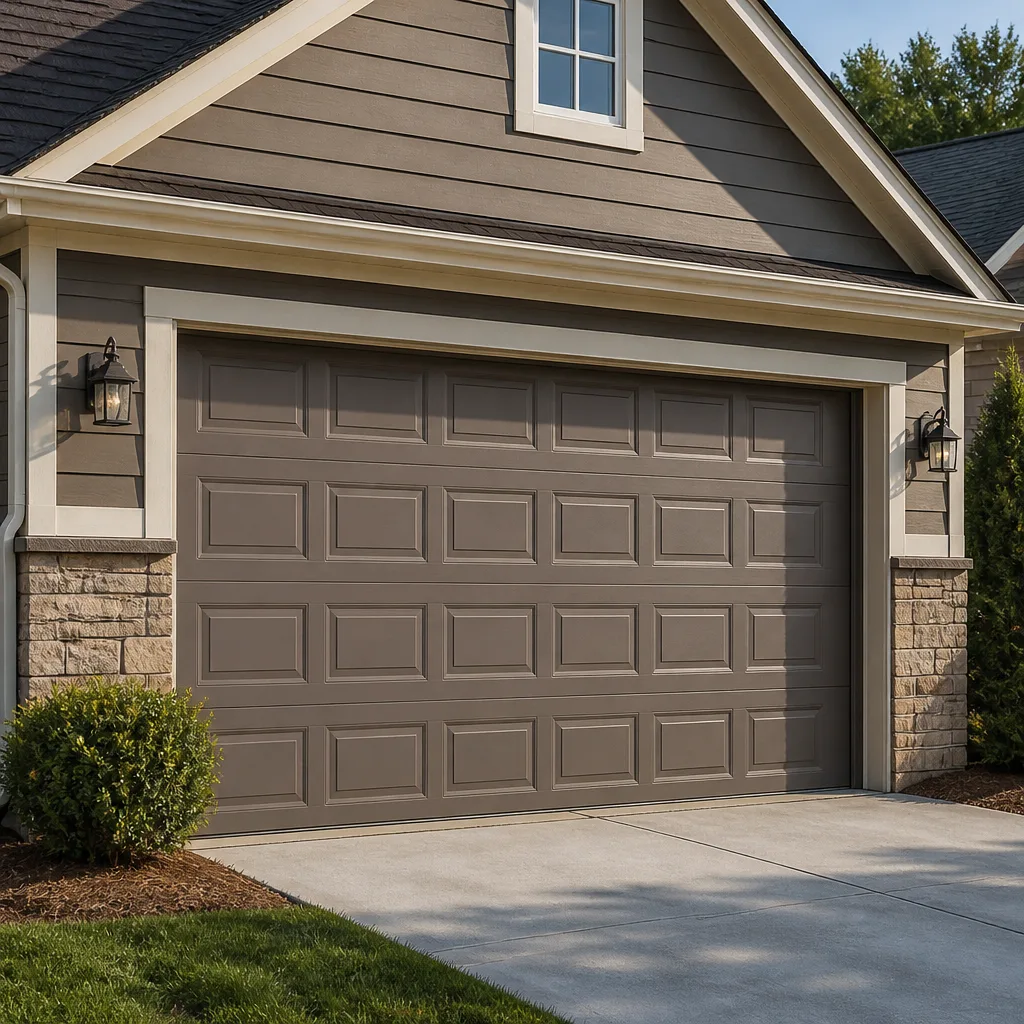 Raised-panel steel
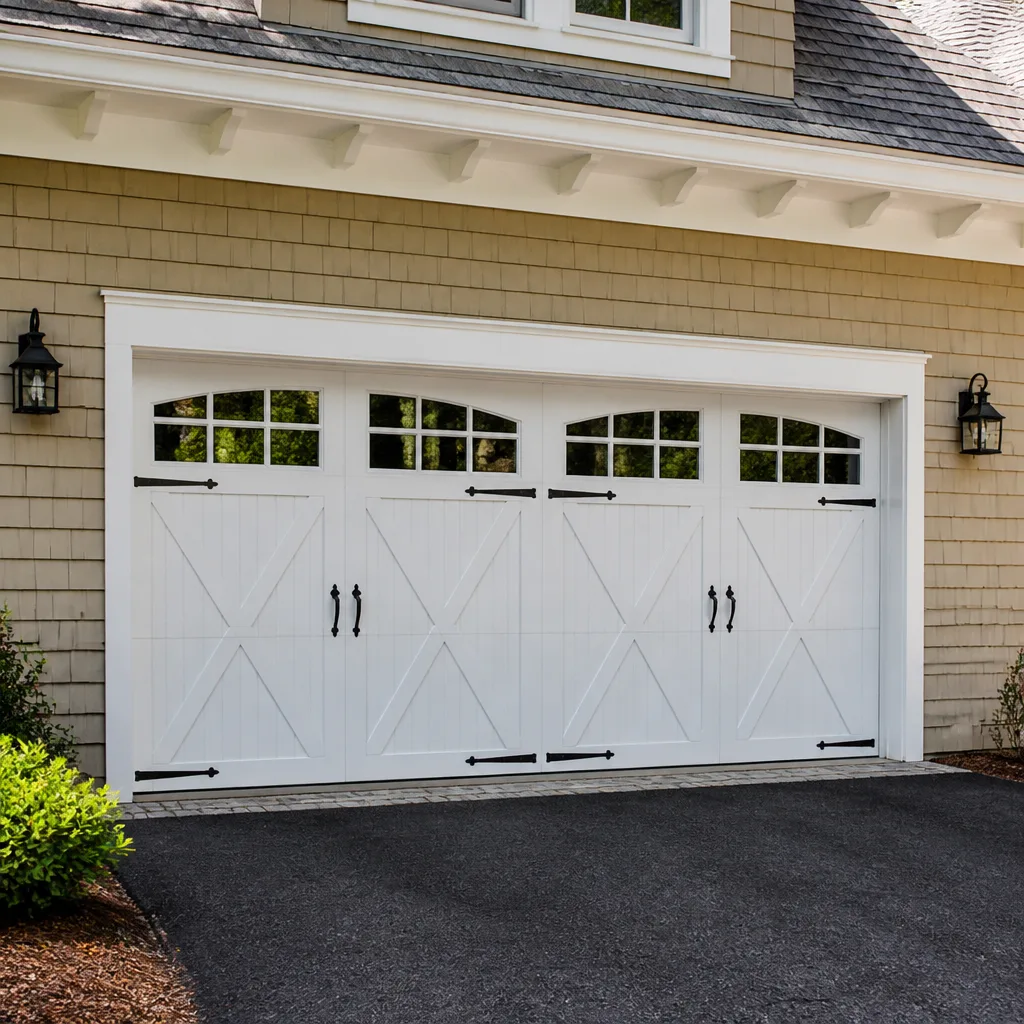 Carriage house
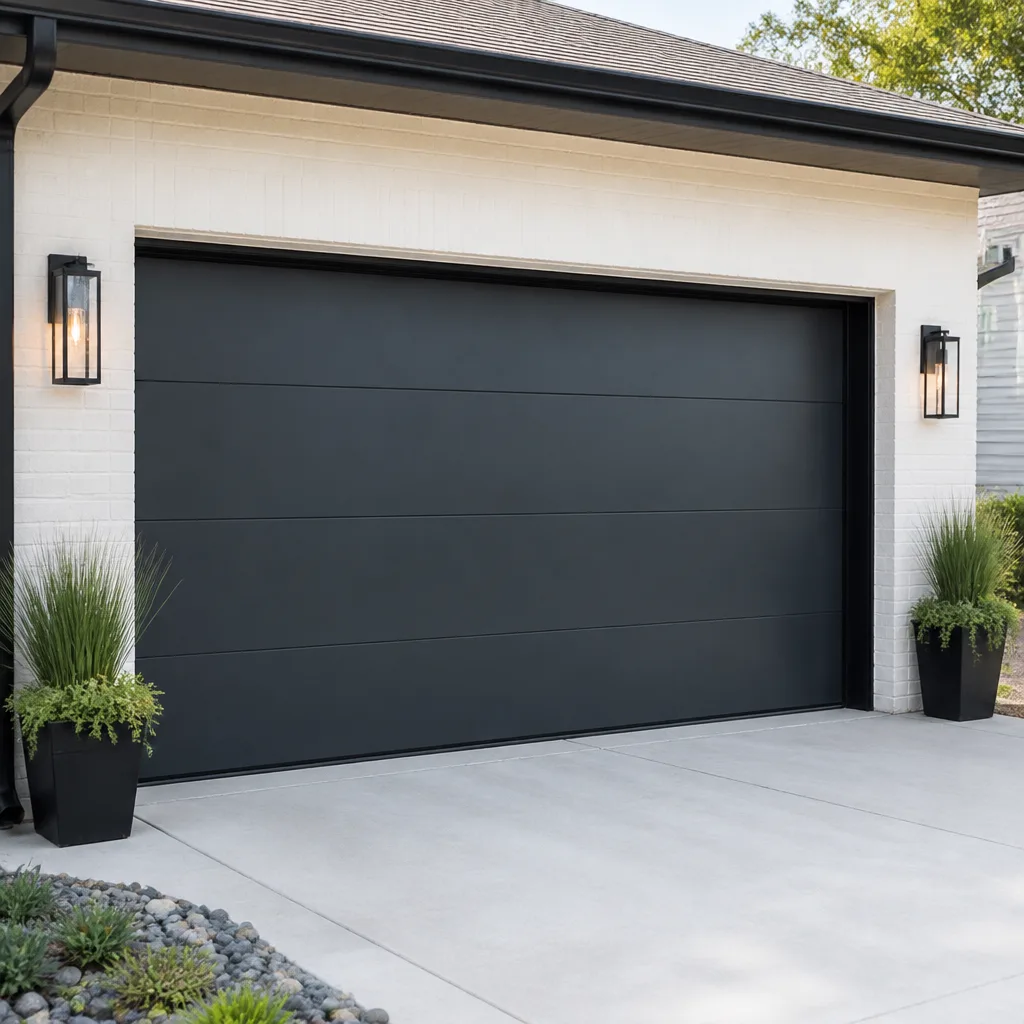 Modern flush
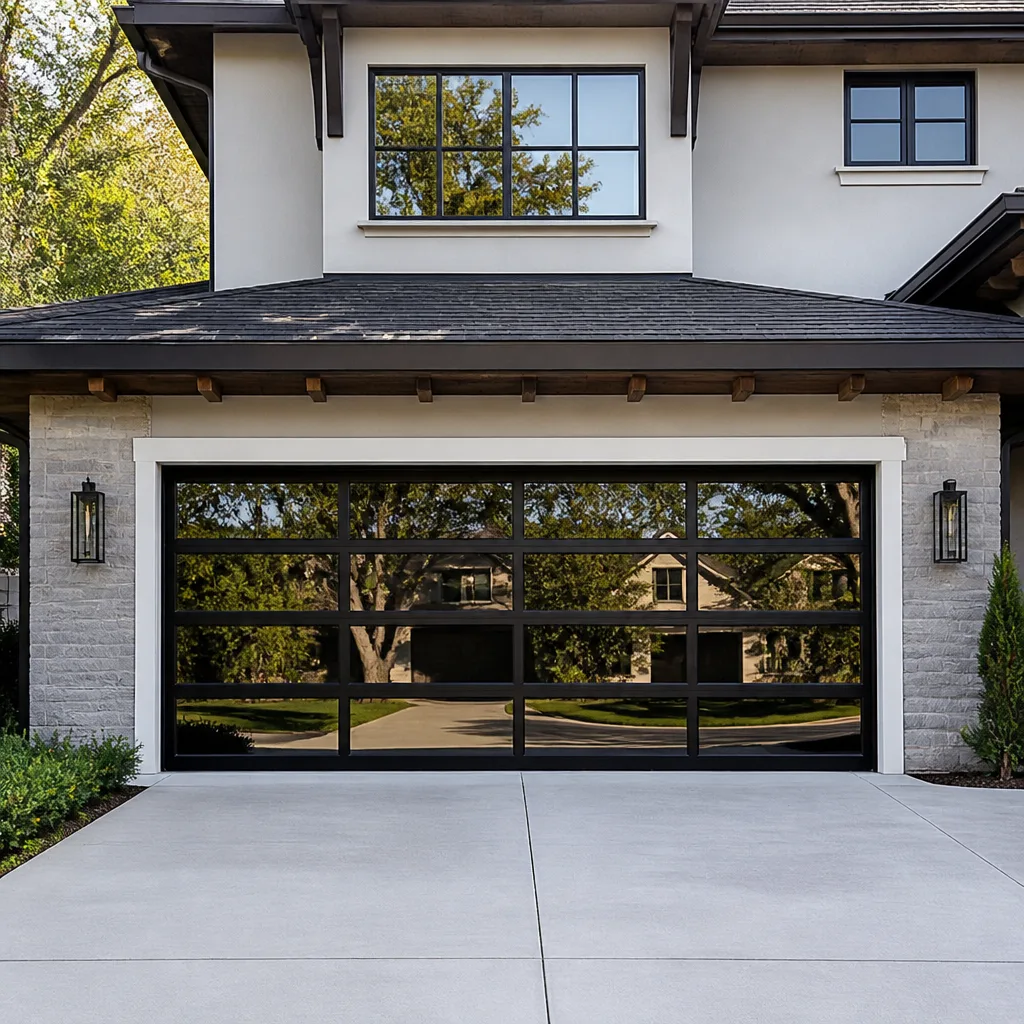 Full-view glass
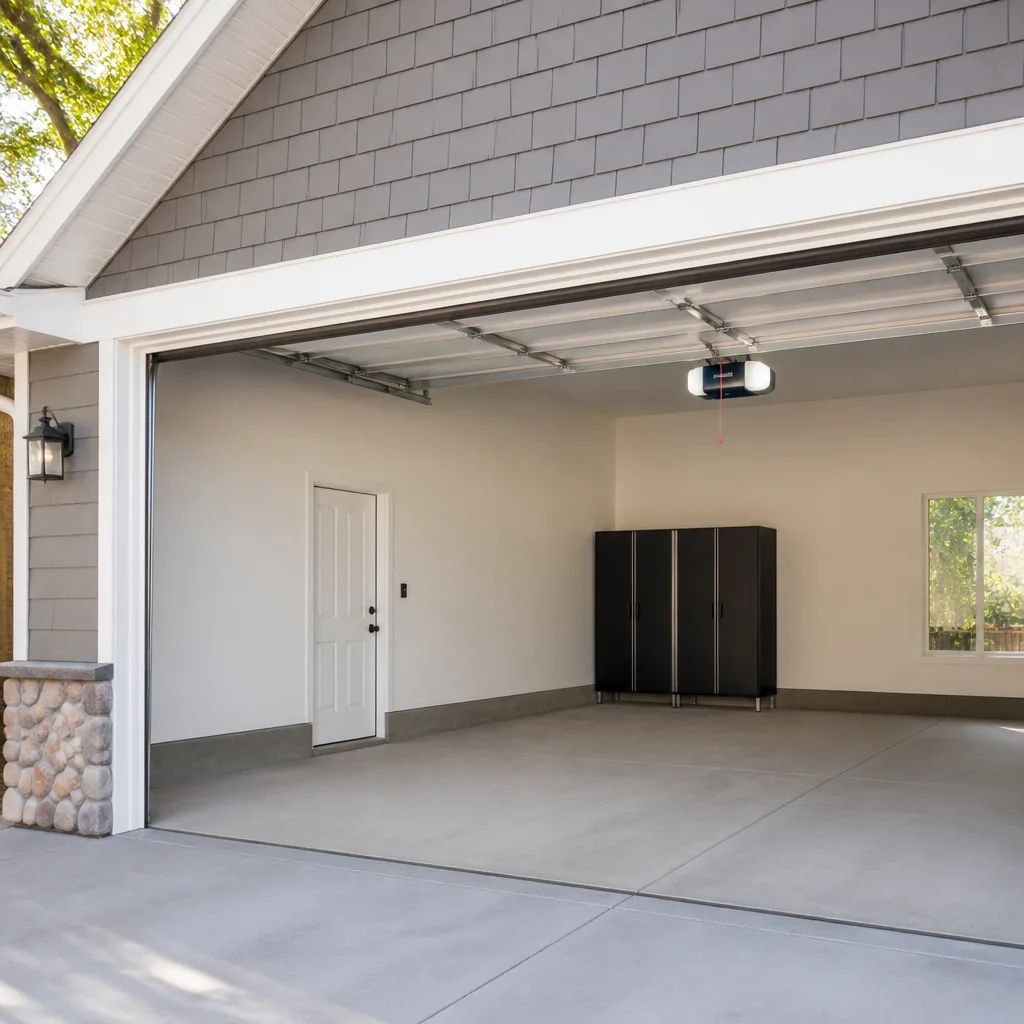 LiftMaster openers
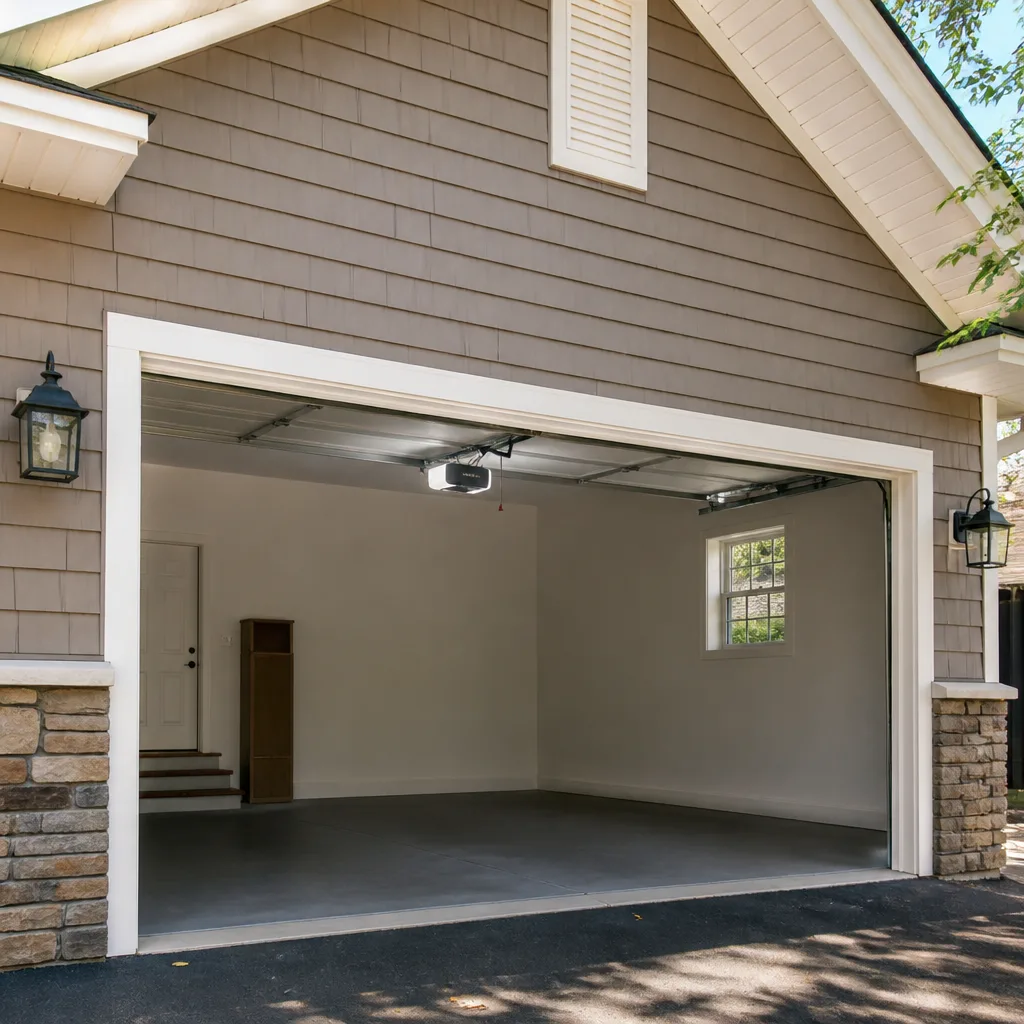 Chamberlain openers
Full 25-point door and opener safety check with every visit - springs, cables, rollers, tracks, and your LiftMaster or Chamberlain opener included
You get a price before we start. It does not change when the pro arrives.
Get your free estimateGarage Door Repair Maintenance Checklist for Hialeah Homeowners
The number one reason Hialeah garage doors fail prematurely isn’t age – it’s skipped maintenance on hardware that corrodes twice as fast here as it does in a dry climate. Most homeowners assume a garage door is a set-and-forget machine, then get surprised when a spring snaps or an opener grinds itself to a halt. In Hialeah, the wet season from May through October adds a layer of stress that checklists written for Arizona or the Midwest simply don’t account for. This guide gives you a real schedule: what to inspect month by month, which hardware tells you it’s failing before it does, why the lubricant in your garage is probably the wrong one, and what to do after a tropical system moves through.
Quick Answer
Hialeah garage doors need lubrication every two to three months during the wet season and every four to six months in the dry season, plus a visual corrosion inspection monthly, a full hardware check twice a year, and a professional service visit once a year. The two biggest failure drivers in Hialeah are humidity-driven rust on springs, cables, and hinges, and mechanical stress that builds up between hurricane seasons. A ten-minute monthly walkaround catches most problems before they turn into a snapped spring or a dead opener.
Styles & brands we work with
- Raised-panel steel
- Carriage house
- Modern flush
- Full-view glass
- LiftMaster openers
- Chamberlain openers
Table of Contents
- Why Hialeah’s Wet and Dry Seasons Demand Different Checklists
- The Month-by-Month Maintenance Schedule
- Corrosion Inspection Without Tools: What to Look For
- Why WD-40 Is the Wrong Product for Hialeah Garage Hardware
- Post-Storm Inspection Protocol After a Tropical System
- Opener-Specific Maintenance for LiftMaster, Chamberlain, and Genie
- The Parts You Should Never Touch Yourself
- Common Mistakes to Avoid
- When to Call a Professional
- Frequently Asked Questions
Why Hialeah’s Wet and Dry Seasons Demand Different Checklists
A generic maintenance checklist treats every month the same. That’s the first thing we’d change for anyone living in Hialeah. From May through October, the wet season pushes relative humidity high enough that bare steel, exposed cables, and untreated hinges tarnish and begin to pit. From November through April, the air dries out and the priorities flip: thermal cycling from warm afternoons to cooler nights works on seal gaskets and expansion joints, and hardware that got wet all summer starts to reveal whether its protective coating held up.
That split matters more than most homeowners realize. A door that sits through a wet season without attention to its springs and cables is a door whose hardware is already weaker going into the storm-active months. And a door that spent the dry season with dried-out rollers and brittle seals is a door that will groan and stall the first day the wet air comes back.
What Changes Between the Seasons
- Wet season (May-October): Focus on rust prevention. Lubricate more often, watch hinges and spring coils for orange-brown discoloration, and inspect weatherstripping for softness or mold growth on the bottom seal. The heat and humidity here also cause some lubricants to thin and run, which is why application timing matters.
- Dry season (November-April): Focus on mechanical wear. Rollers, hinges, and opener chains that were kept wet and moving all summer now show their true condition. Seals and gaskets that dried and cracked need replacing before the next wet cycle.
Some neighborhoods in Hialeah sit on lower ground and hold moisture longer after rain, so a door facing west or sitting near dense landscaping will likely corrode faster than one on a breezy corner lot. That’s not a rule, just the pattern we’ve seen in our experience working across the city.
The Month-by-Month Maintenance Schedule
Here’s a checklist built around Hialeah’s actual climate, not a generic twelve-month template. Print it, tape it to the inside of the garage wall, and use it as a working reference. The goal isn’t to do everything every month – it’s to know which two or three tasks matter most right now.
Wet Season (May-October)
- May: Do a full lubrication pass on springs, hinges, rollers, and the opener rail. Inspect the bottom seal for water damage left over from the dry season. Test the auto-reverse safety feature with a small object under the door.
- June: Visual corrosion check on all bare metal. Wipe down any tarnished hinges and reapply lubricant where it ran off. Listen for new noises – a wet season is when unlubricated rollers start to squeal.
- July: Check cable tension on both sides. Look for fraying near the drum. Confirm the door is balanced by disconnecting the opener and lifting it halfway by hand (do this only if the door feels light and even).
- August: Repeat lubrication on springs and hinges. Inspect weatherstripping around the door frame. This is peak storm season – do a full pre-storm walkthrough of anchor points and brackets.
- September: Full hardware tightening check. Humidity hasn’t let up and metal expands and contracts; brackets that were snug in May are often loose by now.
- October: End-of-wet-season review. Note anything that’s rusted, cracked, or noisy and schedule a professional inspection before the dry season work begins.
Dry Season (November-April)
- November: Lubricate every hinge and roller as wet-season grime dries out. Check weatherstripping for brittleness.
- December: Test the safety reverse again. Clean the opener’s photo-eye lenses.
- January: Check the opener’s force and travel limits per the manual for your brand. LiftMaster, Chamberlain, and Genie each have slightly different adjustment procedures.
- February: Do a full balance test. A door that drifts down on its own when lifted halfway means spring tension has changed.
- March: Inspect the bottom seal for cracks. Replace if the seal no longer makes contact with the floor.
- April: Pre-wet-season lubrication and hardware tightening. Do this before May humidity arrives and locks grime into the joints.
For a door that’s showing structural wear or needs panel replacement after years of this cycle, our garage door repair service picks up where maintenance stops.
Corrosion Inspection Without Tools: What to Look For
You don’t need tools to tell whether your door’s hardware is in trouble. What you need is the right list of visual signs and the discipline to look once a month. Run your eyes across these five points, in this order, every time:
- Springs: Look at the coil surface. A healthy torsion spring is uniformly metallic. Orange-brown rust spotting means it’s already losing strength. Flaking or powdery rust on the coil is a red flag: the spring is closer to failure than it looks.
- Cables: Check for broken strands. A healthy cable is a clean braid. Fraying – especially near the drum or bottom bracket – means it’s holding on borrowed time. Do not touch a frayed cable yourself.
- Hinges: Look at the pivot points. Any brown discoloration around the pin means rust is working inside. If the hinge pin is visibly pitted, it’s time to replace the hinge rather than lubricate it.
- Rollers: Nylon rollers turn white and chalky with age; steel rollers rust. Either way, a roller that drags or spins unevenly is a wear sign. Look for flattened spots on the wheel face.
- Bottom brackets and drums: These carry the most force in the system. Any rust bloom at the bracket bolts means the metal is weakening. A bracket that has started to sag or shift is a professional call, not a lubrication job.
The Signs That Mean Replacement, Not Lubrication
Lubricant buys time; it doesn’t undo damage. If you see any of the following, the part needs replacing, not greasing:
- Visible rust pitting (a texture you can feel, not just a stain)
- Frayed cable strands, even one or two
- Any gap between a spring coil and its winding cone
- Hinges where the pin no longer sits flush
- A bottom bracket that has moved or looks bent
- Weatherstripping that has stiffened and won’t lay flat
Springs need special attention here. Our garage door spring repair service exists because this is the single most dangerous home repair in the garage, and it’s the piece humidity attacks hardest. If corrosion has reached the point of pitting or flaking, stop operating the door and call.
Why WD-40 Is the Wrong Product for Hialeah Garage Hardware
WD-40 is a penetrating oil and a light solvent, not a lasting lubricant for a garage door. It evaporates, it thins out in the heat, and in Hialeah’s humid air it can actually attract and hold dust, which turns into grit that accelerates wear on hinges and rollers. Every week it stays off, the parts get cleaner and last longer.
The right products for a garage door in this climate are:
- A silicone-based or lithium-based grease for hinges and roller stems. These hold their viscosity in heat and don’t attract dust the way thin oils do.
- A garage-door-specific spray lubricant (not WD-40 branded penetrating oil) for general lubrication passes.
- White lithium grease for the opener’s rail, gear, and chain if the manufacturer calls for it.
- Silicone spray for weatherstripping and the bottom seal – it keeps rubber pliable rather than drying it out.
Do not use motor oil, cooking oil, or petroleum jelly. None of them hold up in a garage that regularly sits above 90 degrees for weeks at a time. Do not use WD-40 on the springs or cables – it’s a solvent, not a protector, and it will strip whatever coating was clinging on.
One more note: apply lubricant when the door is closed, not open, so it doesn’t run down the channels. Wipe away excess. In Hialeah’s humidity, a thin coat is better than a heavy one because excess grease traps moisture and dust into a paste.
Post-Storm Inspection Protocol After a Tropical System
After any tropical system passes through Hialeah, do not open the garage door until you’ve done this walkthrough. Operating a door with hidden damage can turn a small repair into a large one, or worse. Here’s the order that matters:
- Visual check from outside and inside: Look at the door panels for impact damage, dents, or panels that are visibly out of alignment. Look at the tracks – are they straight, or has anything shifted?
- Check the anchor points: Bolts that hold the track brackets and header to the wall. Storm vibration can loosen them.
- Inspect springs and cables: Look for broken springs (a visible gap in the coil) or cables that have jumped off the drum. If either has happened, stop. Do not operate the door.
- Check the bottom seal: Storm debris and wind can tear the seal or wedge objects under the door. Clear anything you find before operating.
- Test the opener manually first: Disconnect the opener with the release cord and lift the door by hand about a foot. If it doesn’t lift smoothly or feels much heavier than it should, there’s a mechanical problem. Reconnect and do not use the opener until it’s fixed.
- Test the safety reverse: Once the door operates normally by hand, reconnect and test auto-reverse with a small object under the closing door.
If anything on this list looks wrong, don’t force the door. A damaged door left in place is safer than a damaged door operated. Our Hialeah Garage Door Repair Co team handles emergency garage door service for exactly this situation – call before you cycle the door again.
Opener-Specific Maintenance for LiftMaster, Chamberlain, and Genie
Three opener brands account for the vast majority of systems we see across Hialeah homes: LiftMaster, Chamberlain, and Genie. Each has different maintenance points. If you know your brand, here’s what to check.
LiftMaster
- Clean the safety-reverse sensor lenses at the bottom of the tracks every couple of months. In humid climates the lenses fog and hold dirt faster.
- Check the belt or chain tension yearly. LiftMaster belts that are too loose will slap the rail on every cycle.
- If your opener is Wi-Fi-enabled, update the firmware through the MyQ app when prompted. Older firmware on LiftMaster and Chamberlain openers can drop off the network after power interruptions, which are common during wet-season storms.
Chamberlain
- Chamberlain openers share technology with LiftMaster under the same parent company, so the same MyQ and belt-tension principles apply. Check the manual for your specific model’s force adjustment.
- Battery backup models (common in newer Chamberlain installations) need their battery tested yearly. The opener will tell you when it’s weak, but in Hialeah’s heat, batteries age faster than the manual suggests.
- Clean and re-lubricate the rail with white lithium grease at the start of each wet season.
Genie
- Genie openers typically use a screw-drive or belt-drive mechanism. Screw-drive units need the screw lubricated per the manual – use only the grease Genie specifies, since generic lubricants can attract grit into the screw channel.
- Genie chain models need the chain tension checked yearly. A chain that sags more than half an inch below the rail is loose.
- The Safe-T-Beam sensors on Genie openers are notoriously sensitive to dust. Wipe them monthly.
If your opener is behaving erratically, our garage door opener repair team diagnoses LiftMaster, Chamberlain, and Genie systems with brand-specific knowledge, so you’re not starting from scratch on the call. We also work on Craftsman, Clopay, Amarr, Wayne Dalton, and Raynor systems, and the same brand-specific approach applies.
The Parts You Should Never Touch Yourself
Two components of a garage door carry enough stored force to seriously injure or kill someone who handles them wrong: the torsion springs and the cables. Both are under continuous tension, and both are the parts most affected by Hialeah’s humidity. A spring that looks intact can fail catastrophically the moment you try to adjust it. A cable under tension can snap and whip.
What that means practically: inspect springs and cables visually, note any rust, fraying, or gaps, and call a technician. Do not attempt to loosen, adjust, or replace a spring. Do not cut or re-route a cable. Do not try to unwind a torsion spring to “relieve pressure.” Our technicians have up to 13 years of experience with these repairs and use the right tools for the tension involved – this is a professional job, not a homeowner one, and it’s worth saying plainly.
The same rule applies to the electrical side of your opener. If you’re not confident working near a 120-volt connection, don’t. An opener repair that turns into an electrical repair is a much bigger problem than the one you started with.
Common Mistakes to Avoid
- Lubricating with WD-40 and calling it maintenance. It’s a solvent, not a grease, and in Hialeah it turns into dust-attracting residue. Use a proper garage door lubricant instead.
- Waiting for a symptom before inspecting. In Hialeah’s humidity, corrosion is invisible until it’s structural. A monthly visual check catches the rust spotting weeks before the spring weakens.
- Ignoring the weatherstripping. A stiff or cracked bottom seal lets humid air and insects into the garage, which accelerates corrosion on everything inside. Replace it the same season it starts to fail.
- Over-tightening brackets and hinges. Metal expands in Hialeah’s heat. Snug is correct; torqued until it strips the bolt is not. Over-tightening warps the track and causes the door to bind.
- Operating a door with a known broken spring or frayed cable. The opener will keep trying, and the extra strain often damages the opener motor along with the door. Stop and call.
- Skipping the post-storm walkthrough. A tropical system can move brackets and shift tracks in ways that aren’t visible from the driver’s seat. The ten-minute walkthrough after the storm is cheaper than the repair that follows skipping it.
- Ignoring new noises. A squeak in May is a hinge. A grinding in September is often a bearing or a roller that’s failed. The earlier you catch a noise, the smaller the fix.
When to Call a Professional
Some maintenance you can handle yourself: lubricating, wiping sensors, checking the seal, testing the auto-reverse. Some repairs need a trained technician on-site: any spring or cable problem, a door that’s come off its track, an opener that won’t respond to the remote or wall switch, or a door that’s visibly sagging or misaligned after a storm. If you hear a loud bang from the garage and the door won’t lift, that’s a broken spring – stop operating the door and call. If the door moves unevenly, binds halfway, or reverses on its own, that’s an opener or balance issue worth a professional diagnostic. Hialeah Garage Door Repair Co offers free estimates in Hialeah – call (833) 309-5115. Our team works on LiftMaster, Chamberlain, Genie, Clopay, Amarr, Wayne Dalton, Craftsman, and Raynor systems, and the price is quoted and agreed before any work starts.
Frequently Asked Questions
Every two to three months during the wet season (May-October) and every four to six months in the dry season. Hialeah’s humidity breaks down lubricant faster than a dry climate does, so the wet-season schedule needs to be tighter. Use a garage-door-specific lubricant or white lithium grease, not WD-40. Call (833) 309-5115 for a free estimate if you’d rather have it done professionally.
The first signs are orange-brown spotting on spring coils, discoloration around hinge pins, and a powdery texture on cable braids. If you can feel pitting with a fingertip, the part is already weakened. Catch it at the spotting stage and lubrication helps; catch it at the pitting stage and the part needs replacing. Call (833) 309-5115 for an exact quote on replacement – estimates are free.
No, because a garage door can look and sound fine right up until a spring fails. In Hialeah’s climate, corrosion weakens springs and cables gradually and invisibly. The monthly visual check takes ten minutes and is the cheapest form of repair you’ll ever do. Call (833) 309-5115 to book a professional inspection if you’ve never had one.
Check tracks, anchor bolts, springs, cables, and the bottom seal before operating the door. If the door lifts smoothly by hand with the opener disconnected, it’s safe to reconnect and test. If it binds, sags, or feels much heavier than usual, stop and call a professional. Call (833) 309-5115 for emergency garage door service after a storm.
Springs in Hialeah typically need replacement sooner than the manufacturer’s cycle rating suggests, because humidity accelerates corrosion on the coil. There’s no exact lifespan we can promise – it depends on the spring, the door’s weight, and how often it cycles. A visual inspection is the only reliable way to know. Call (833) 309-5115 for a free estimate on spring replacement.
The local pros we connect you with are licensed and insured as their state requires, and our technicians have up to 13 years of experience. We work on all major brands, including LiftMaster, Chamberlain, Genie, Clopay, Amarr, Wayne Dalton, Craftsman, and Raynor. Call (833) 309-5115 – the price is quoted and agreed before any work starts.
The Bottom Line
Garage door maintenance in Hialeah isn’t a generic checklist – it’s a climate-specific schedule. Lubricate more in the wet season, inspect for corrosion monthly, check mechanical wear in the dry season, and do a full post-storm walkthrough after any tropical system. Use the right lubricant, respect the springs and cables as professional-only work, and don’t wait for a failure to inspect. Our technicians have up to 13 years of experience with the brand-specific quirks of LiftMaster, Chamberlain, Genie, Clopay, Amarr, Wayne Dalton, Craftsman, and Raynor systems. If you want a professional walkthrough of your door, call Hialeah Garage Door Repair Co at (833) 309-5115 for a free estimate. The price is quoted and agreed before any work starts.
For more on our full scope of work, see Hialeah Garage Door Repair Co.
Written by the team at Hialeah Garage Door Repair Co.
See the difference
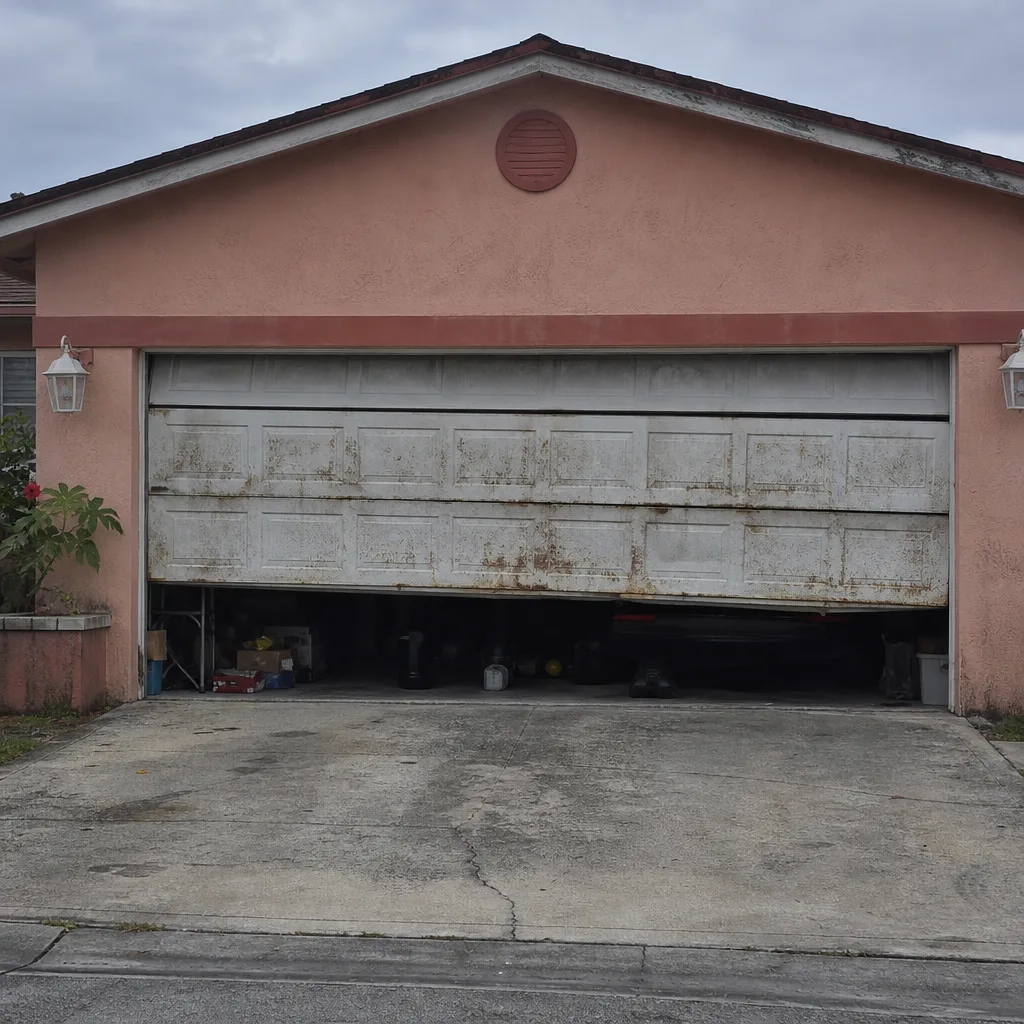 Before
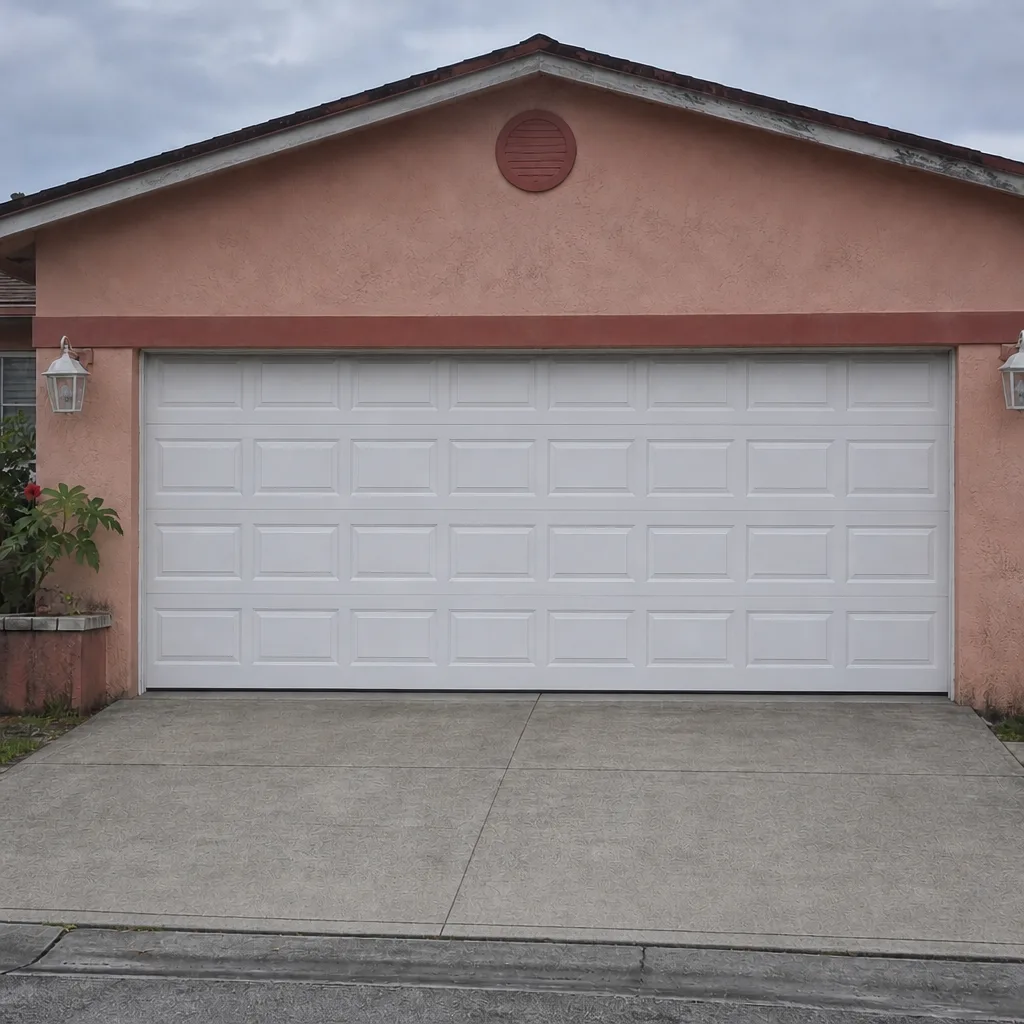 After
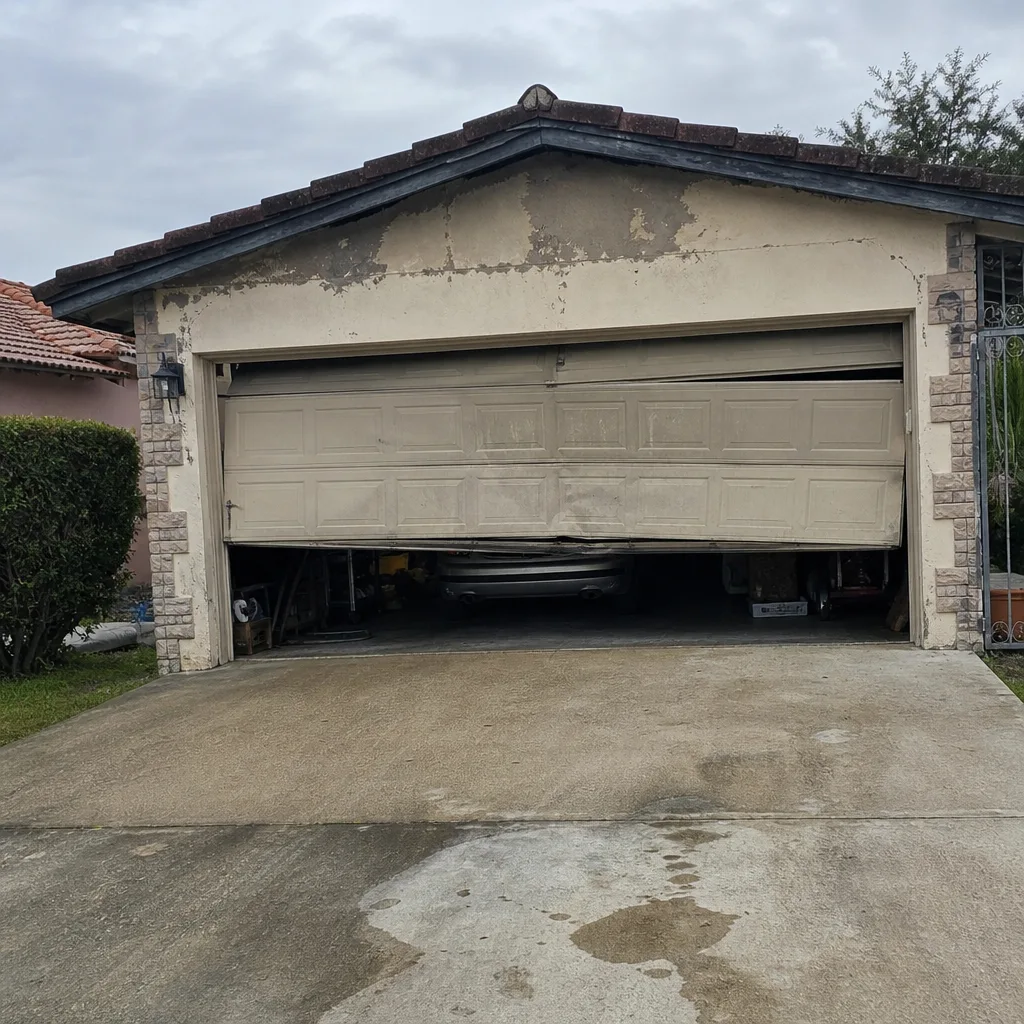 Before
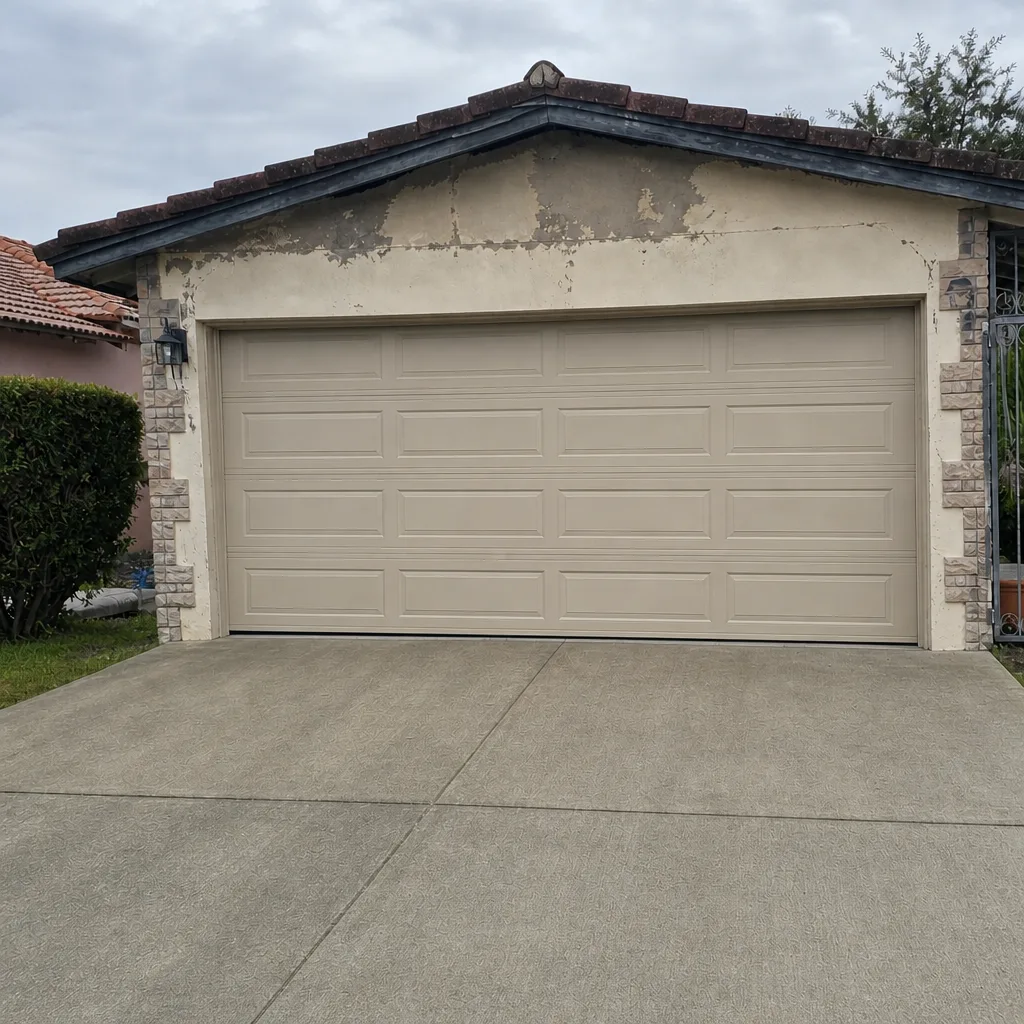 After
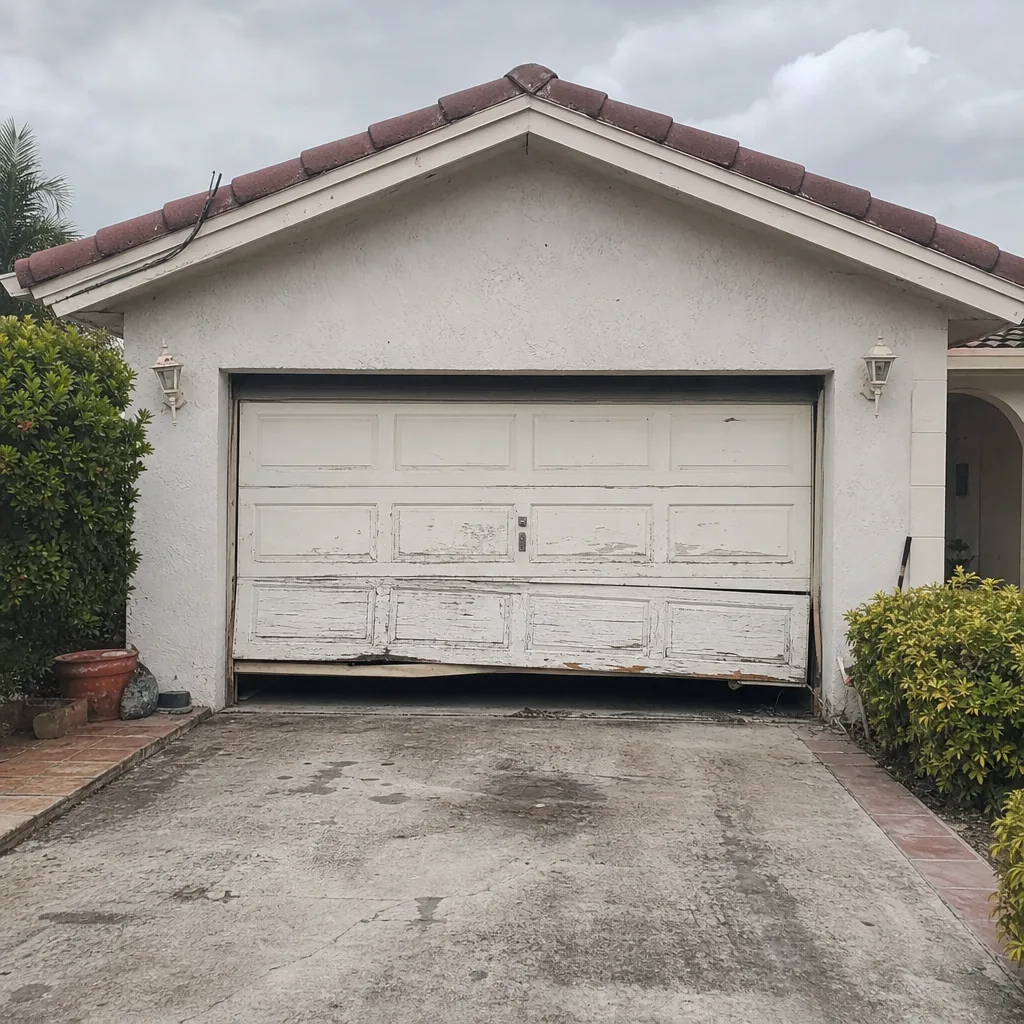 Before
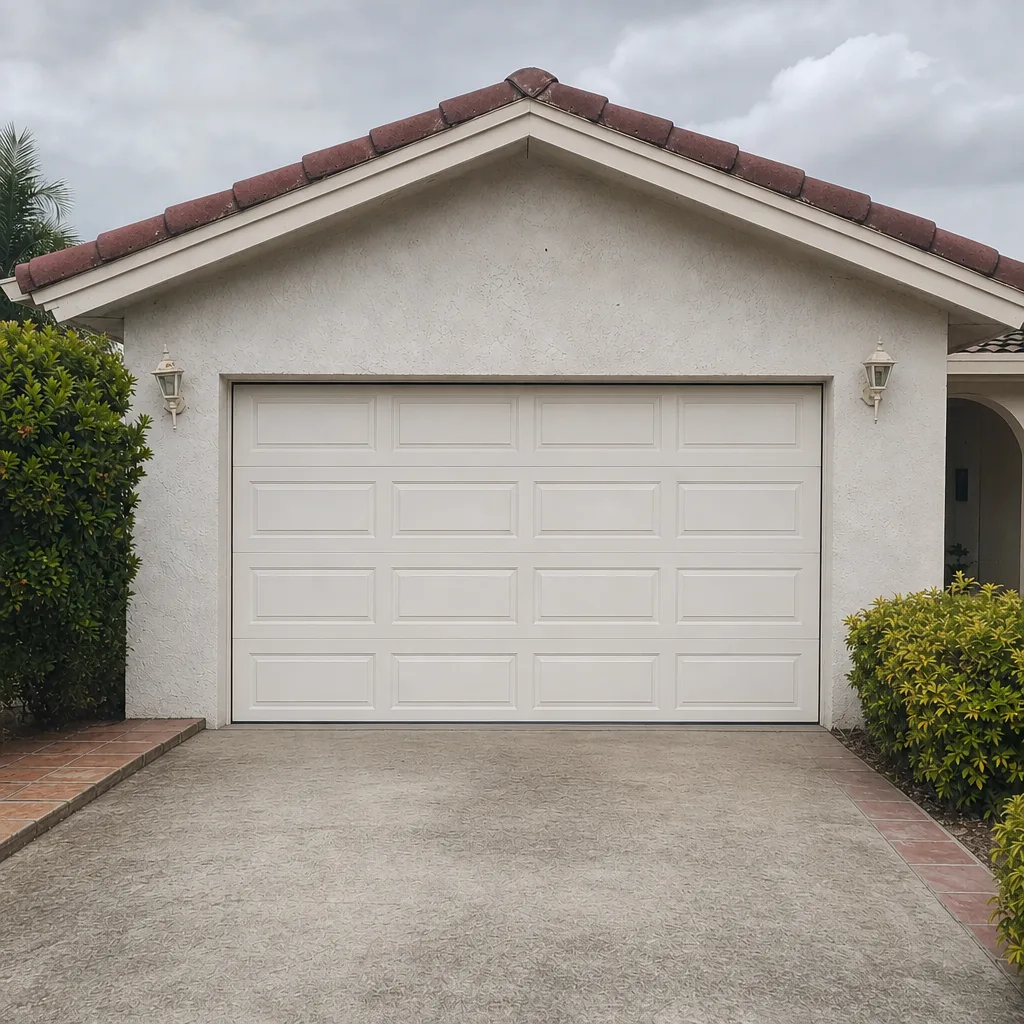 After