Last updated November 21, 2026
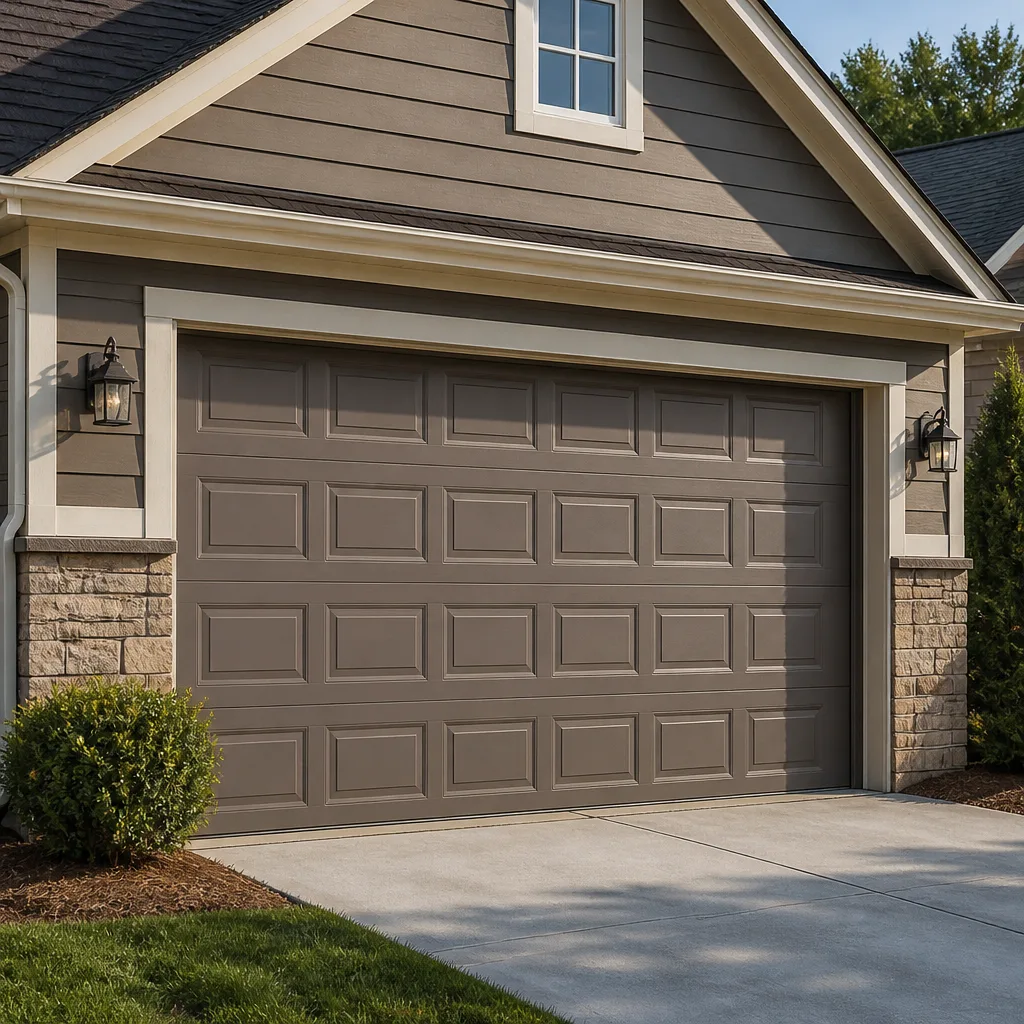 Raised-panel steel
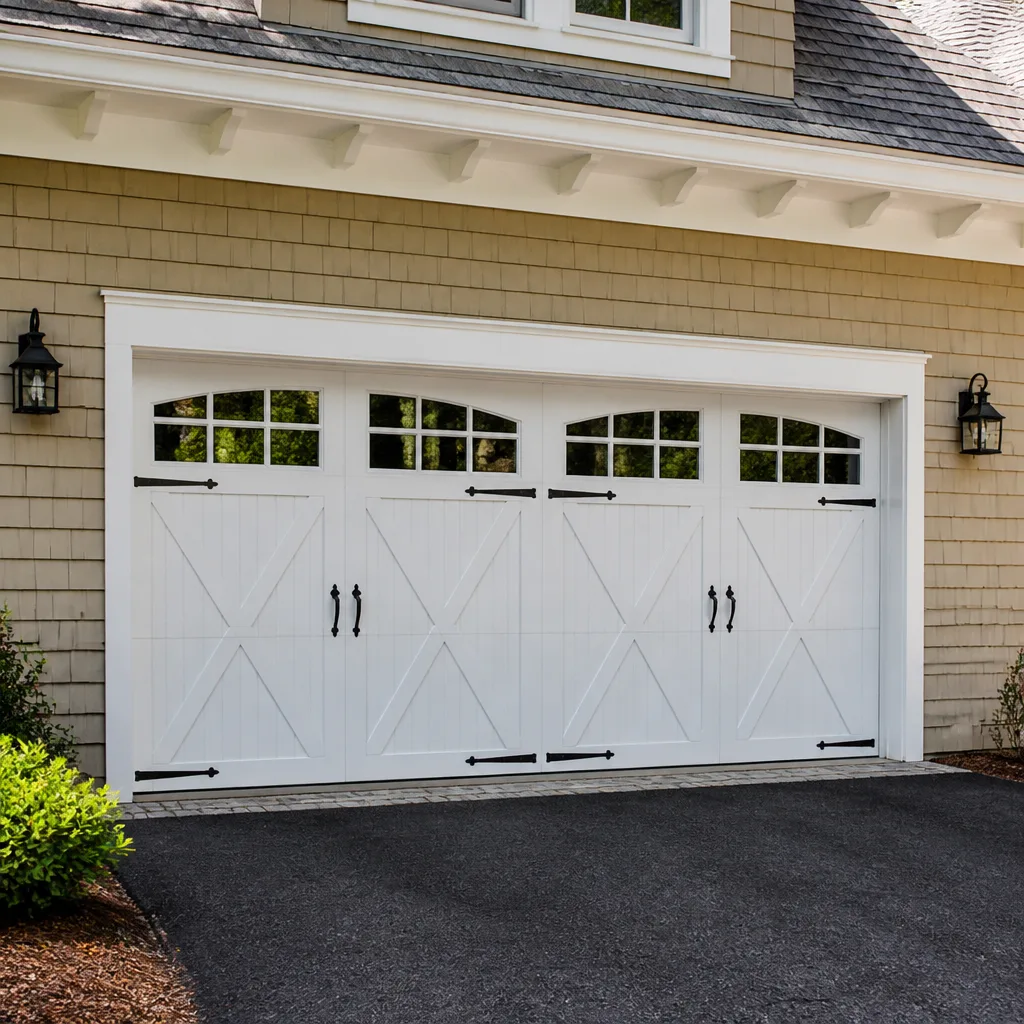 Carriage house
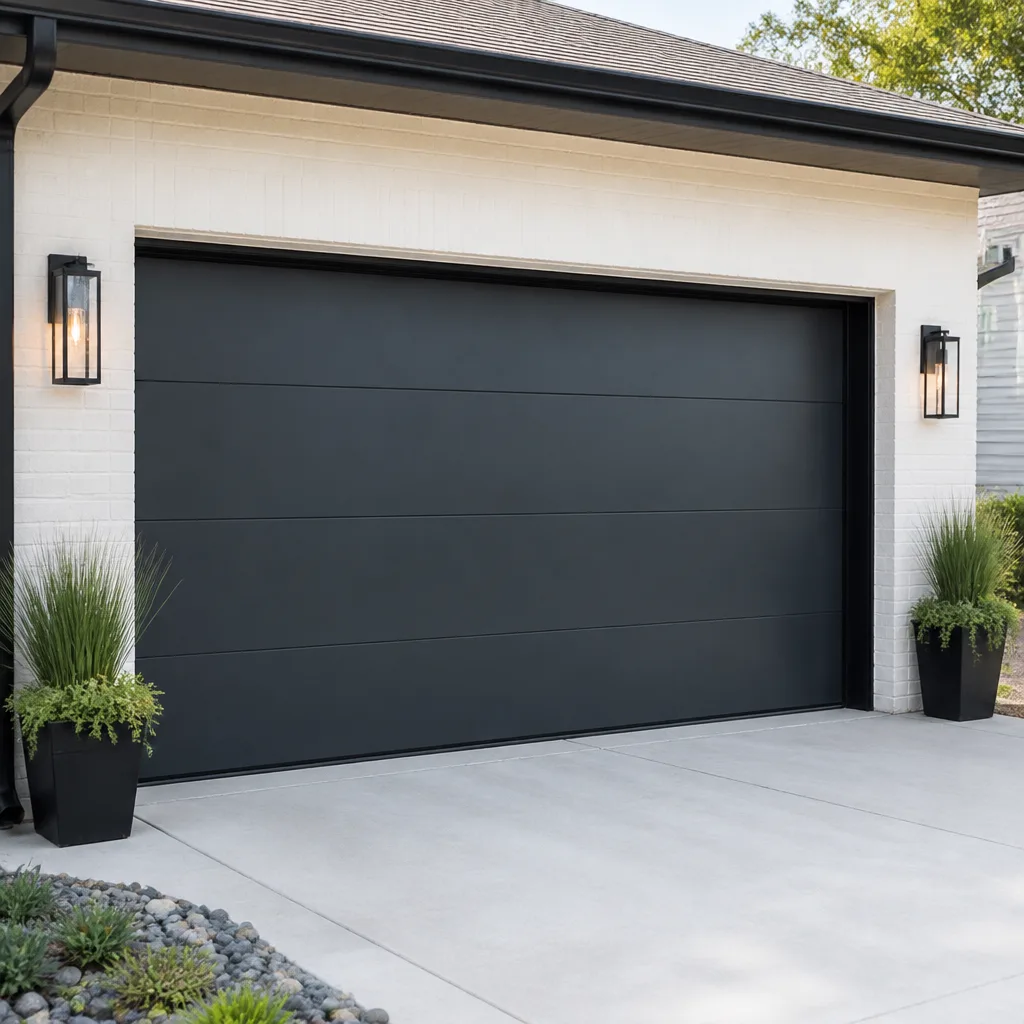 Modern flush
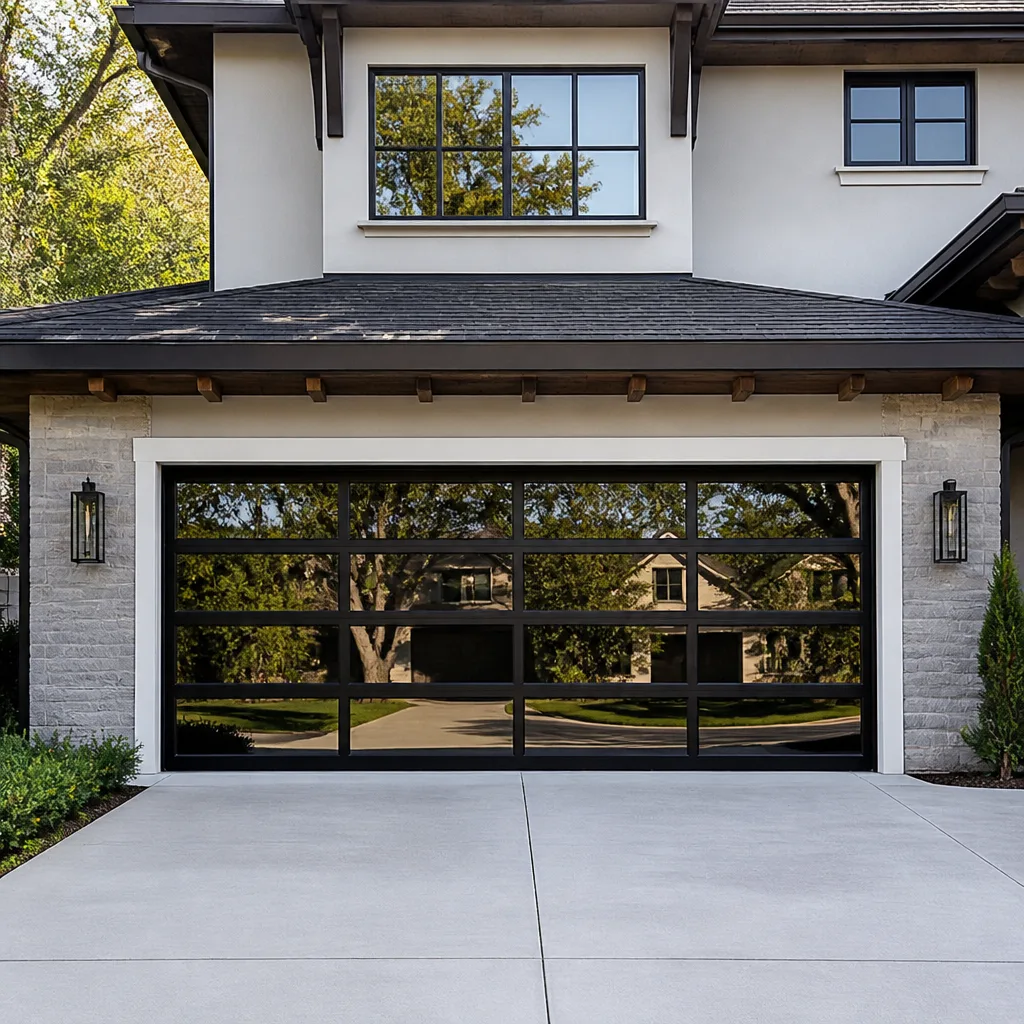 Full-view glass
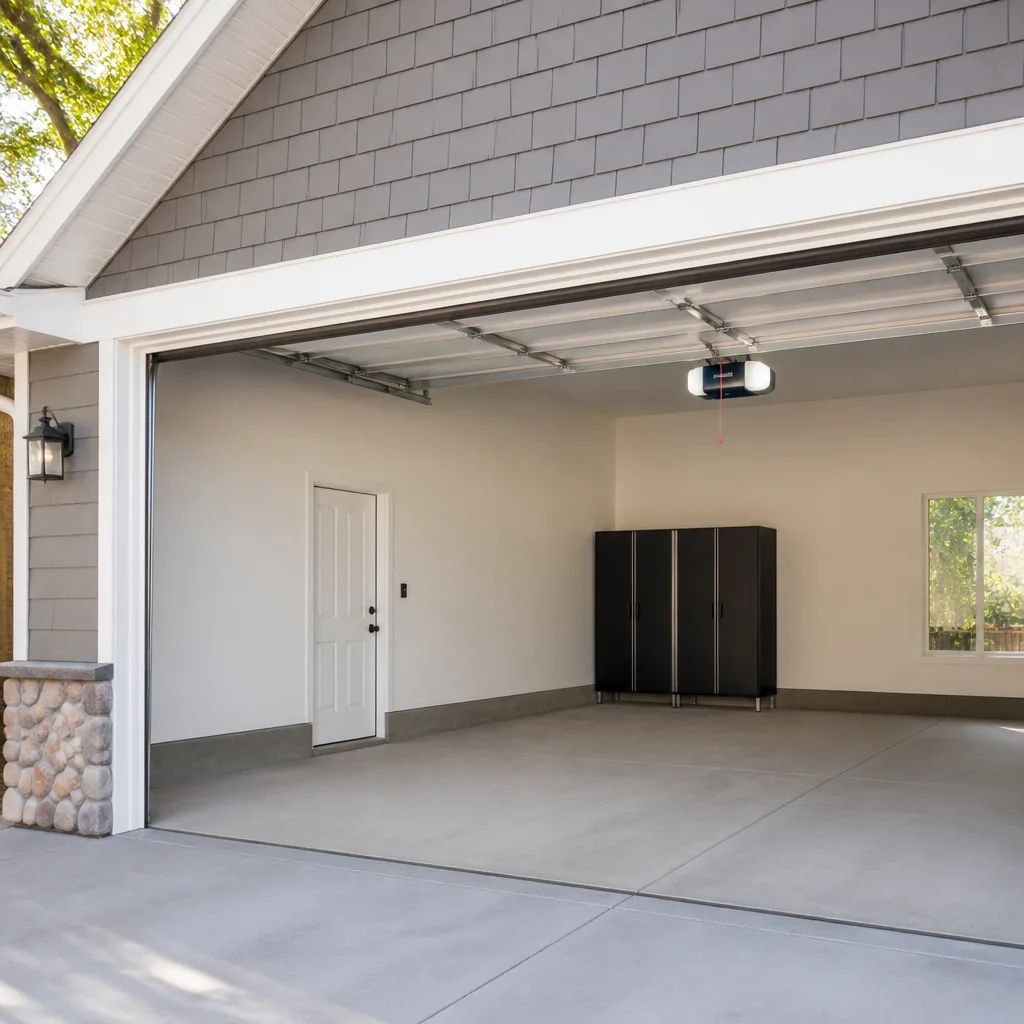 LiftMaster openers
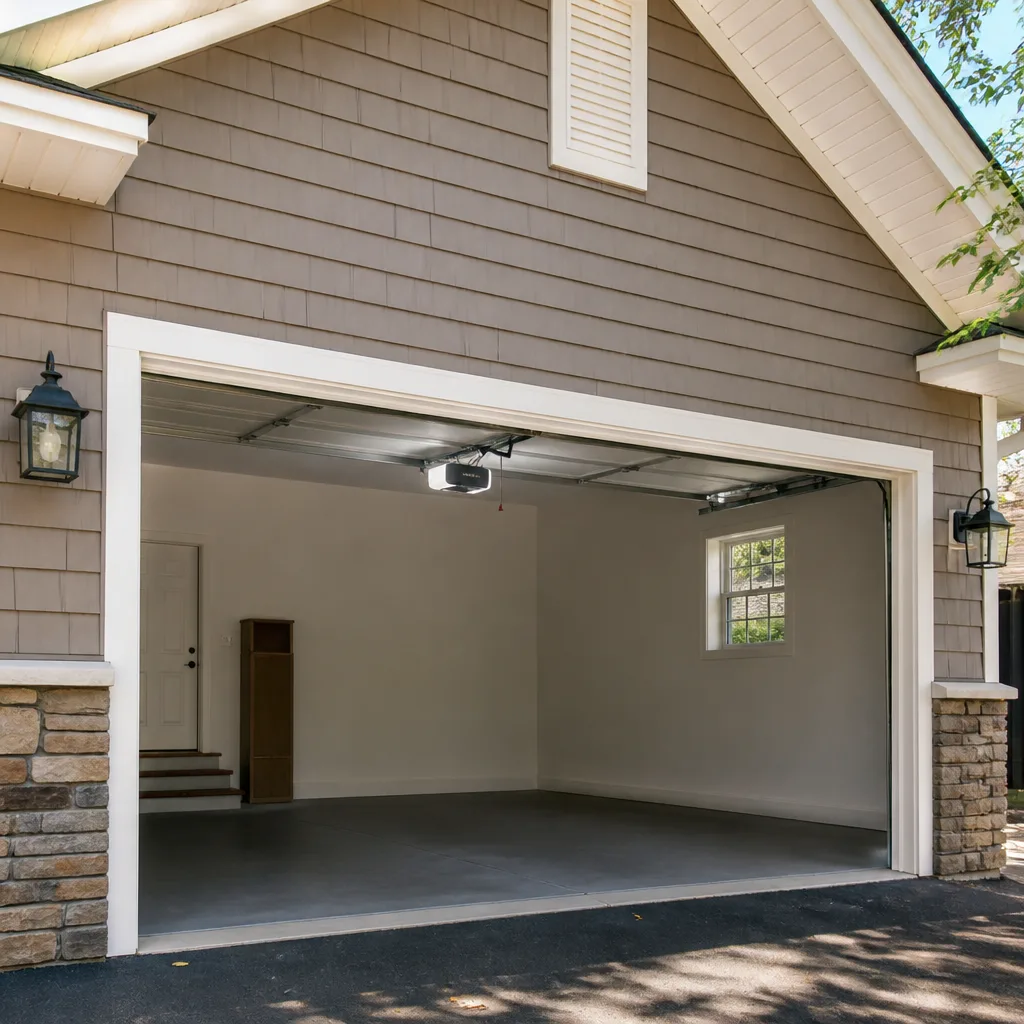 Chamberlain openers
Full 25-point door and opener safety check with every visit - springs, cables, rollers, tracks, and your LiftMaster or Chamberlain opener included
You get a price before we start. It does not change when the pro arrives.
Get your free estimateSeasonal Garage Door Care for Hialeah: Year-Round Homeowner’s Guide
The best time to fix a garage door spring in Hialeah is February. Not because anything is wrong with it in February, but because by June every technician in South Florida is backed up, part lead times stretch, and your door doesn’t care that the timing is inconvenient. Hialeah doesn’t really have four seasons. It has two: hurricane season and recovery season. This guide reframes garage door care around that reality instead of a national template built for places that get snow. You’ll learn what to check before the storms, what to do after them, and why the dry-season window is when proactive repairs cost the least and schedule the fastest.
Styles & brands we work with
- Raised-panel steel
- Carriage house
- Modern flush
- Full-view glass
- LiftMaster openers
- Chamberlain openers
Quick Answer
Garage door care in Hialeah follows a two-season cycle, not four. Prepare hardware, tracks, and weatherstripping in April and May before hurricane season, inspect carefully after any tropical event before you touch the opener, and schedule spring replacements, opener upgrades, and panel work during the dry season from November through March when crews and parts are most available. Hialeah’s summer humidity above 80% accelerates rust, seal failure, and lubricant breakdown, so the wet months are for watching and the dry months are for fixing.
Table of Contents
- Why Hialeah Has Two Seasons, Not Four
- Pre-Hurricane Season Preparation (April-May)
- How Summer Humidity Attacks Your Door
- Post-Storm Inspection: What to Check Before You Operate
- The Dry Season Window (November-March)
- Your 12-Month Hialeah Garage Door Calendar
- What Seasonal Garage Door Work Costs in Hialeah
- Common Mistakes to Avoid
- When to Call a Professional
- Frequently Asked Questions
Why Hialeah Has Two Seasons, Not Four
Most garage door maintenance advice you’ll find online was written for a climate with a hard freeze and a long thaw. Hialeah doesn’t get either. What Hialeah gets is a wet season that runs roughly from June through November and a dry stretch that carries the rest of the year. The practical result is a maintenance rhythm that looks nothing like the spring-and-fall checklists you’ll read on national sites.
In a cold climate, the damaging cycle is freeze and thaw working on concrete, seals, and metal. Here, the damaging cycle is moisture and heat working on the same parts, just through a different mechanism. Rubber seals soften and lose their grip. Steel tracks and hinges develop surface rust that turns into sticking rollers. Lubricant that would last a season up north gets thinned and washed out faster by heat and humidity. And the sun on a west-facing door panel does its own slow work on paint and finish.
The other difference is storm exposure. A garage door is the largest moving opening on most Hialeah homes, and it’s the part of the house most directly tested by wind pressure during a tropical system. That makes pre-season preparation a structural concern, not just a convenience one.
We’ve seen how this plays out across Hialeah neighborhoods, from the older blocks near Hialeah Park to the newer construction out toward the Palmetto Expressway. The doors that come through storm season best are almost always the ones that got attention in the dry months. Schedule that attention early and the rest of the year is mostly watching.
Pre-Hurricane Season Preparation (April-May)
April and May are the last comfortable window before the wet season settles in, and they’re when a garage door in Hialeah should get its most serious annual look. The goal is to find and fix anything a storm could turn into a bigger problem. This is the time to handle garage door repair that you’ve been putting off, while the schedule is still open and the parts are in stock.
Walk through this checklist before the season turns:
- Test the balance of the door. Disconnect the opener and lift the door halfway by hand. A balanced door stays put. If it drifts down or feels heavy, the springs are losing tension and should be evaluated before storm season, not after.
- Check every hinge and roller. Look for rust, flat spots on rollers, and loose hinge screws. Replace worn rollers and tighten or replace fasteners. A roller that’s already loose can jump the track under wind load.
- Inspect the weatherstripping along the bottom and sides. The bottom seal is what keeps wind-driven rain out of the garage. If it’s cracked, flattened, or pulling away, it needs replacing before the rains start.
- Look at the track alignment. Tracks should be straight and evenly spaced. A track that’s been bumped out of alignment lets the door rattle and can allow rollers to escape under pressure.
- Check the door panels for looseness. Push gently on each panel. Any flex or separation at the seams points to fasteners that need attention.
- Test the opener’s safety reverse. Put a small object in the door’s path and confirm the door reverses on contact. This matters year-round, but it matters more when you’re relying on the door to close securely before a storm.
- Clear the tracks and lubricate the moving parts. Wipe the tracks clean, then apply a lubricant rated for garage door hardware. Don’t use grease that will collect grit.
If your door uses older LiftMaster or Genie hardware, this is also the moment to confirm the opener’s travel limits and force settings are correct. A door that strains to close is a door that’s working against itself, and that strain shows up fastest in the heat.
How Summer Humidity Attacks Your Door
Hialeah’s summer humidity regularly climbs above 80%, and that number does specific, predictable damage to a garage door. Understanding which parts fail first lets you address them before the wet season instead of after.
- Steel tracks and hinges: Surface rust forms on bare or thinly coated steel. Left alone, rust pits the surface, roughens the track, and makes rollers drag. The drag adds strain to the opener and shortens its life.
- Rollers: Nylon rollers hold up better than steel in humidity, but any roller with a steel bearing will eventually seize if moisture gets in. A seized roller skates instead of rolling, which wears the track.
- Bottom and side seals: Rubber and vinyl seals absorb moisture and degrade faster in heat. A seal that’s soft and gummy in July will be cracked by October.
- Lubricant: Heat thins lubricant and humidity washes it away. Parts that were properly lubricated in April can be dry by August.
- Wood or composite trim around the opening: Moisture works into joints and paint edges. Peeling paint around the door frame is an early sign that water is getting where it shouldn’t.
- Opener circuit boards and wiring: Humid garages are hard on electronics. A LiftMaster or Chamberlain opener with a board that’s failing often shows intermittent behavior first, especially in the hottest weeks.
The fix isn’t constant maintenance. It’s one thorough lubrication and inspection pass in late spring, then a quick visual check every few weeks through the wet months. If you notice rust starting, deal with it in the dry season rather than letting it spread through the summer. When an opener starts behaving oddly in the heat, that’s a job for garage door opener repair rather than something to wait out.
Post-Storm Inspection: What to Check Before You Operate
After any tropical event in Hialeah, the single most important rule is this: don’t press the opener until you’ve looked at the door. Wind and flying debris can leave a door looking fine from the driveway while the tracks, springs, or panels are compromised. Running the opener on a damaged door can turn a repairable problem into a replacement.
Work through this sequence after a storm:
- Look at the door from outside before opening anything. Check that every panel is intact, that the door is sitting square in the opening, and that nothing is leaning against it.
- Inspect the tracks on both sides. Tracks that are bent, bowed out, or no longer parallel mean the door can’t travel safely. Don’t force it.
- Examine the springs and cables from a distance. Look for a visible gap in a torsion spring, a hanging cable, or anything that looks disconnected. Never reach up to touch a spring or cable to test it. These parts are under extreme tension and can cause serious injury.
- Check the panels for separation from the frame. A door that’s been pushed off its hinges or had a panel buckled is a structural concern, not something to operate and see what happens.
- Look for water intrusion inside the garage. Wet insulation, standing water, or damp drywall near the door opening tells you the seals or the door itself didn’t hold.
- Test the door by hand only if everything above looks intact. Disconnect the opener and lift the door a few inches slowly. If it binds, stops, or feels wrong, close it and stop.
Damage patterns matter here. A door that’s still in its tracks but sits crooked usually means a bent track or a broken spring. A door with a panel pushed inward but still running smoothly may have only panel damage. And a door that won’t move at all after a storm, with no obvious cause, needs professional evaluation before anyone operates it. Our technicians have up to 13 years of experience assessing exactly this kind of post-storm damage, and garage door spring repair is one of the highest-risk jobs on the list.
The Dry Season Window (November-March)
November through March is the best time of year to spend money on a garage door in Hialeah. That’s not a marketing line. It’s how the local market works. During the dry months, technicians aren’t stretched by storm calls, parts distributors aren’t backlogged, and scheduled work can actually be scheduled. By June, the backlog builds and lead times stretch. Your door doesn’t care that it’s inconvenient timing, but your schedule and your budget do.
Proactive work that fits comfortably in the dry season:
- Spring replacement. If your springs are past their expected life, replace them when a broken spring isn’t an event you’re reacting to. A single spring is typically replaced with a matched pair, so plan for the pair.
- Opener upgrades. A dry-season upgrade gives you time to choose the right system and get it installed without pressure. If you’re moving to a Wi-Fi-enabled LiftMaster or Chamberlain, the installation can be scheduled at your convenience rather than on an emergency basis.
- Panel and section replacement. Cosmetic damage from the summer is easier to fix when you’re not competing with storm-damage calls for the same materials.
- Full door replacement. A new door takes measurement, ordering, and scheduling. Starting in the dry season means the door is in and tested well before the next storm cycle.
- Seal and weatherstripping replacement. Fresh seals installed in the dry season have months to settle before the humidity and storms test them.
- Track and hardware replacement. Rust that built up over the summer is best addressed early in the dry stretch, before it spreads.
Timing also affects price. Dry-season scheduling lets you get a written estimate with no rush surcharge and parts that are actually available. The price you’re quoted is the price you pay, agreed before any work starts. If you’re planning a full replacement, winter is also when you have the widest selection of materials, whether that’s a Clopay steel door or a panel style you’ve been considering.
Your 12-Month Hialeah Garage Door Calendar
This is a Hialeah-specific calendar, not a national template. The key is that most proactive work belongs in the dry months and most storm-risk checking belongs in the late spring.
- November-February: Dry season deep work. Schedule spring replacement, opener upgrades, panel repair, seal replacement, and any garage door repair that’s been waiting. Get your written estimate during this window. This is when crews and parts are easiest to line up.
- March: Final pre-season inspection. Check balance, weatherstripping, tracks, and opener function. Confirm the safety reverse works. Note anything that needs fixing before storm season.
- April-May: Complete pre-hurricane preparation. Replace worn seals, tighten hardware, replace rusted rollers, and clear and lubricate tracks. If a spring is showing its age, replace it now rather than hoping it makes it through the season.
- June: Storm season begins. Do a quick visual check every week or two. Watch for rust, seal degradation, and any change in how the door sounds when it runs.
- July-October: Wet season monitoring. Keep the tracks clean and re-lubricate if needed. If an opener falters in the heat, have it looked at rather than waiting. After any storm, do the post-storm inspection before operating the door.
- October-November: Post-season recovery. Assess any storm damage and schedule repairs for the dry window. This is when you draft the list of what needs attention and get it on the calendar.
Weather alerts can compress this schedule, but the order holds. The point is to know what month you’re in and what that month is for. The annual rhythm in Hialeah is prepare, watch, recover, and fix.
What Seasonal Garage Door Work Costs in Hialeah
Costs for seasonal garage door work in Hialeah vary by job, but a general range helps you plan. These are typical estimates, not quotes. Your written estimate sets the final price, and the price is agreed before any work starts.
- Tune-up and lubrication: Usually the least expensive service and the one most worth doing pre-season. A good tune-up covers tracks, rollers, hinges, and balance check.
- Weatherstripping and bottom seal replacement: A modest job with a big impact on wind and rain resistance. Worth doing every few years in this climate.
- Spring replacement: Priced per spring. A single spring is typically replaced as part of a matched pair, so plan for two. This is the job that costs the least in the dry season and the most when you’re reacting to a broken spring in June.
- Cable replacement: Because cables work with springs, this is often handled together. A trained technician should do it, never a homeowner.
- Opener repair or replacement: A board-level repair is one price point; a full opener replacement is another. Brand familiarity matters here, and we work on LiftMaster, Chamberlain, Genie, and Craftsman, so the right parts are identified the first time.
- Panel replacement: Cost depends on door style and brand. Clopay, Amarr, and Wayne Dalton panels are common here, and matching a damaged section to an existing door takes a diagnosis first.
- Full door replacement: The largest job on the list. Measuring, ordering, and installing all take time, which is exactly why the dry season is when you want to start.
The seasonal logic applies to every line: work done proactively in the dry window is easier to schedule and typically less expensive than the same work done as an emergency during storm season. For a free estimate on any seasonal garage door project in Hialeah, call (833) 309-5115.
Common Mistakes to Avoid
- Waiting until the spring breaks to think about it. A broken spring during storm season means a backordered part and a longer wait. If your springs are aging, replacing them in the dry season is the single best move you can make.
- Operating the door after a storm without inspecting it. The opener doesn’t know the door is damaged. Running it can twist a track, strip a gear, or make a repairable problem permanent.
- Ignoring humidity-driven rust until it spreads. Surface rust on a track or hinge is easy to deal with in November and much harder by the following spring. Treat rust early.
- Using the wrong lubricant. Heavy grease collects grit in a humid garage and makes the tracks worse. Use something rated for garage door hardware and apply it sparingly.
- Assuming a national maintenance schedule applies here. If your door care is based on a fall checklist that mentions winterizing, it’s built for a climate Hialeah doesn’t have. The calendar needs to match the two-season reality.
- Trying to replace a spring or cable yourself. These parts are under extreme tension. A failure can cause serious injury. Leave this work to a trained professional, every time.
- Skipping the weatherstripping because it’s “just rubber.” The bottom seal is what stands between wind-driven rain and your garage interior. In Hialeah, that seal earns its keep every storm season.
When to Call a Professional
Some seasonal checks are well within reach for a homeowner. Others aren’t. Call a professional if your door won’t balance when you lift it by hand, if it makes new or louder sounds when it runs, if you see rust that’s pitted into the track, if the door doesn’t reverse when it hits an object, or if anything about the springs and cables looks off. Never try to adjust, remove, or replace a spring or cable on your own. Those parts hold the full weight of the door under heavy tension, and a slip can cause serious injury. If your door has storm damage, don’t operate it until someone qualified has looked at it. Hialeah Garage Door Repair Co offers free estimates, and our technicians have up to 13 years of experience with the brands that make up most Hialeah homes. Call (833) 309-5115 to schedule. We work on LiftMaster, Chamberlain, Genie, Clopay, Amarr, Wayne Dalton, Craftsman, and Raynor, so your door is diagnosed against the right system the first time.
Frequently Asked Questions
The dry season from November through March is the best window for scheduled garage door work in Hialeah. That’s when technicians are most available and parts lead times are shortest. Pre-storm preparation belongs in April and May, with monitoring through the wet months. Call (833) 309-5115 for a free estimate.
A failing spring usually shows up as a door that feels heavy when lifted by hand, won’t stay up when partway open, or has a visible gap in a torsion spring. A broken spring will often cause the door to feel dead on the opener and may make a loud snap. Never try to test a spring by touching it. Call a professional for a safe evaluation. Call (833) 309-5115 for a free estimate.
Only after a visual inspection of the panels, tracks, and springs from a safe distance. If the door sits square, the tracks are straight, and nothing looks loose or disconnected, you can try it by hand first. If anything seems off, don’t press the opener or force the door. Call a professional to check it. Call (833) 309-5115 for a free estimate.
Hialeah’s summer humidity above 80% causes rust on steel parts, degrades rubber seals, and thins out lubricant. That combination makes rollers drag, tracks roughly slide, and openers work harder. A spring tune-up and fresh lubrication in late spring reduces the effect. If your opener starts behaving strangely in the heat, have the system checked. Call (833) 309-5115 for a free estimate.
Yes, for repair and emergency calls. If a spring snaps, a cable fails, or a storm leaves your door inoperable, we can respond quickly. Scheduled work like installations and replacements is planned in advance with a free measure and a written price, since materials need to be ordered. For repair or emergency service, call (833) 309-5115.
Spring repair is priced per spring, and because springs are usually replaced as a matched pair, plan for two. The written estimate you receive sets the final price, and that price is agreed before any work begins. Dry-season scheduling tends to be the most efficient time to have it done. Call (833) 309-5115 for a free estimate.
The Bottom Line
Hialeah doesn’t hand you a national maintenance calendar. It hands you a wet season, a dry season, and a set of parts that fail on that rhythm. The plan is simple: use November through March for the work that needs scheduling, handle your pre-storm checks in April and May, monitor through the summer, and inspect carefully after every storm before you touch the opener. The dry-season window is your best ally for springs, openers, panels, and full doors. If you’re unsure where your door stands, a free estimate from Hialeah Garage Door Repair Co is a low-cost way to find out what needs doing and what can wait. Call (833) 309-5115 to get started.
Written by the team at Hialeah Garage Door Repair Co.
See the difference
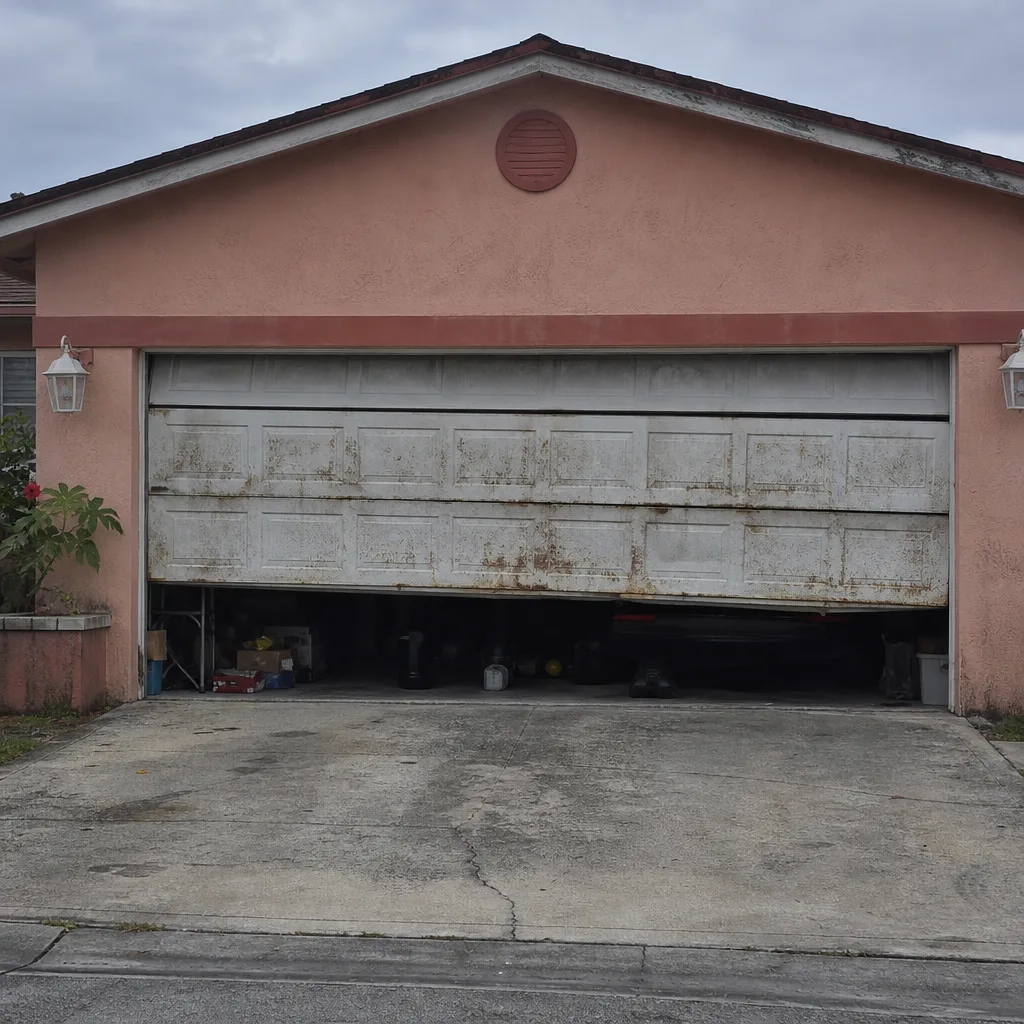 Before
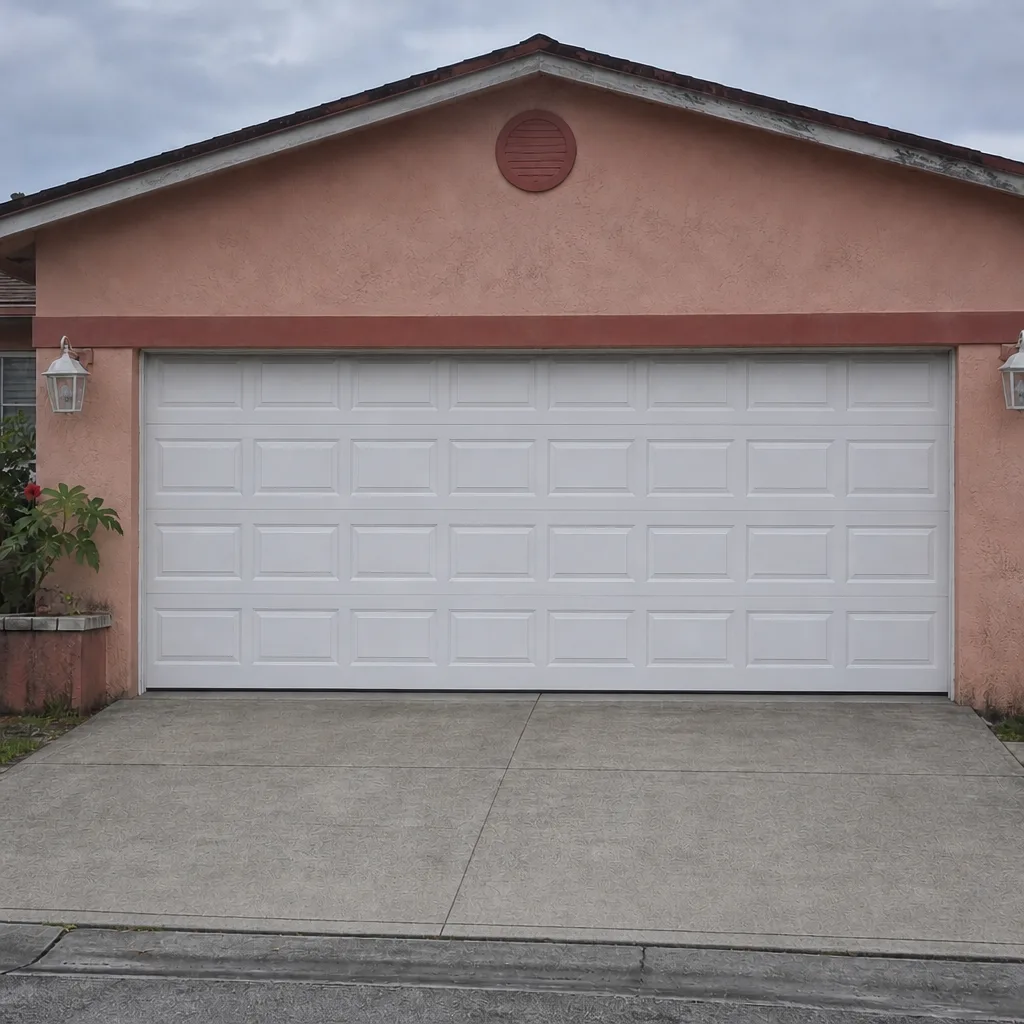 After
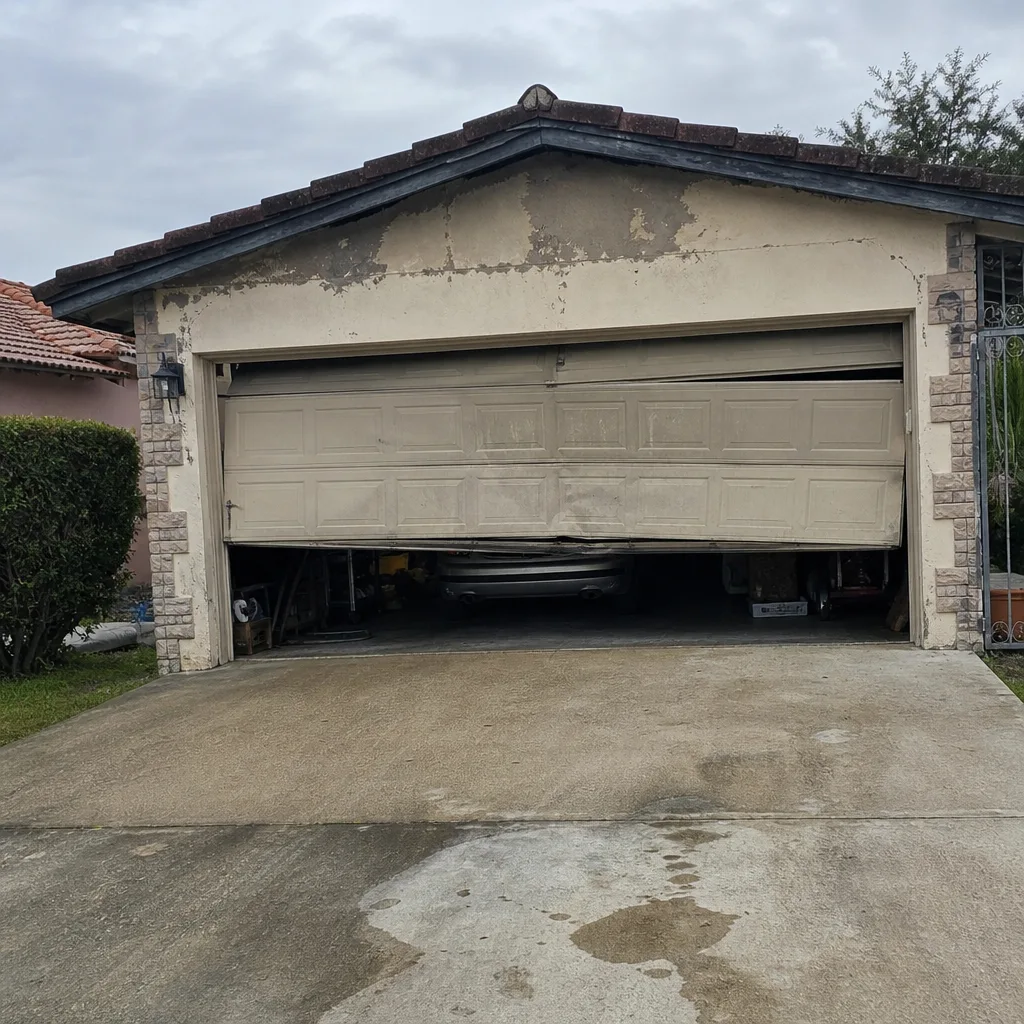 Before
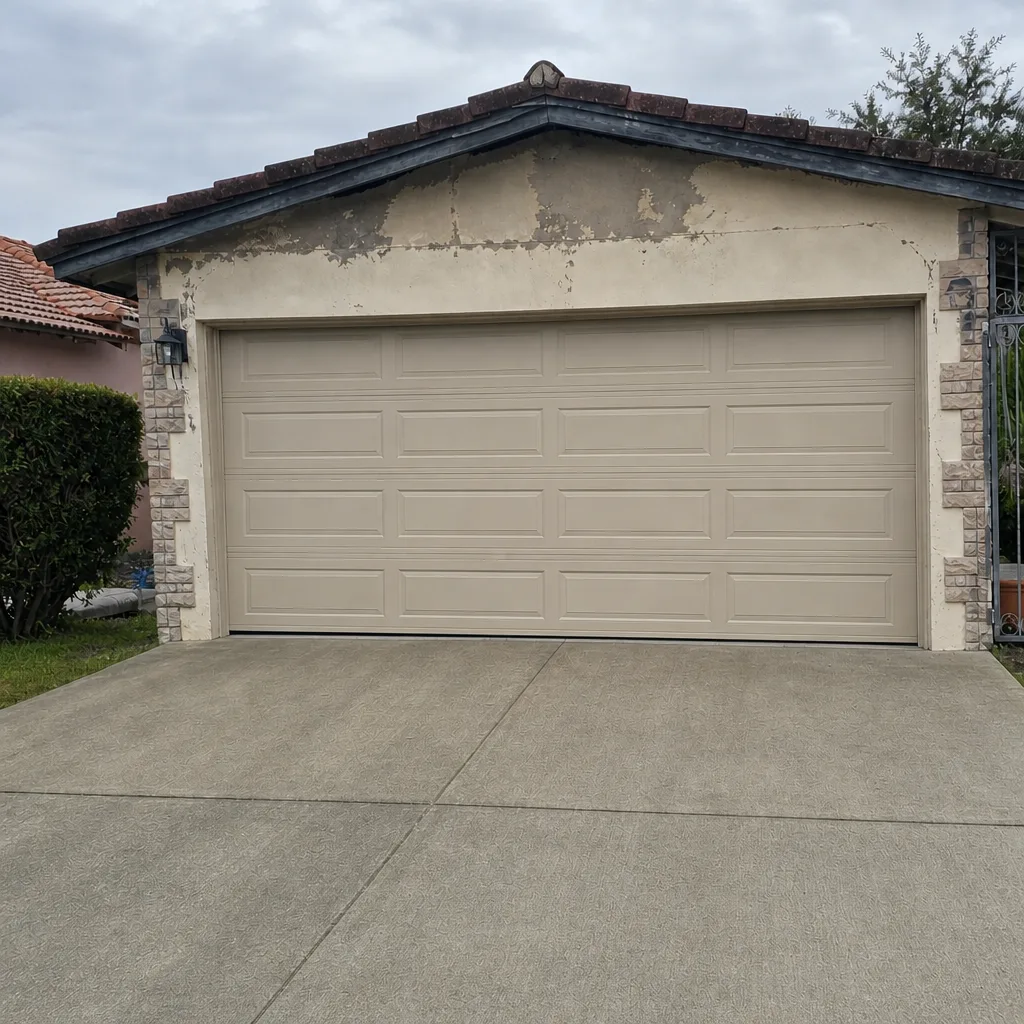 After
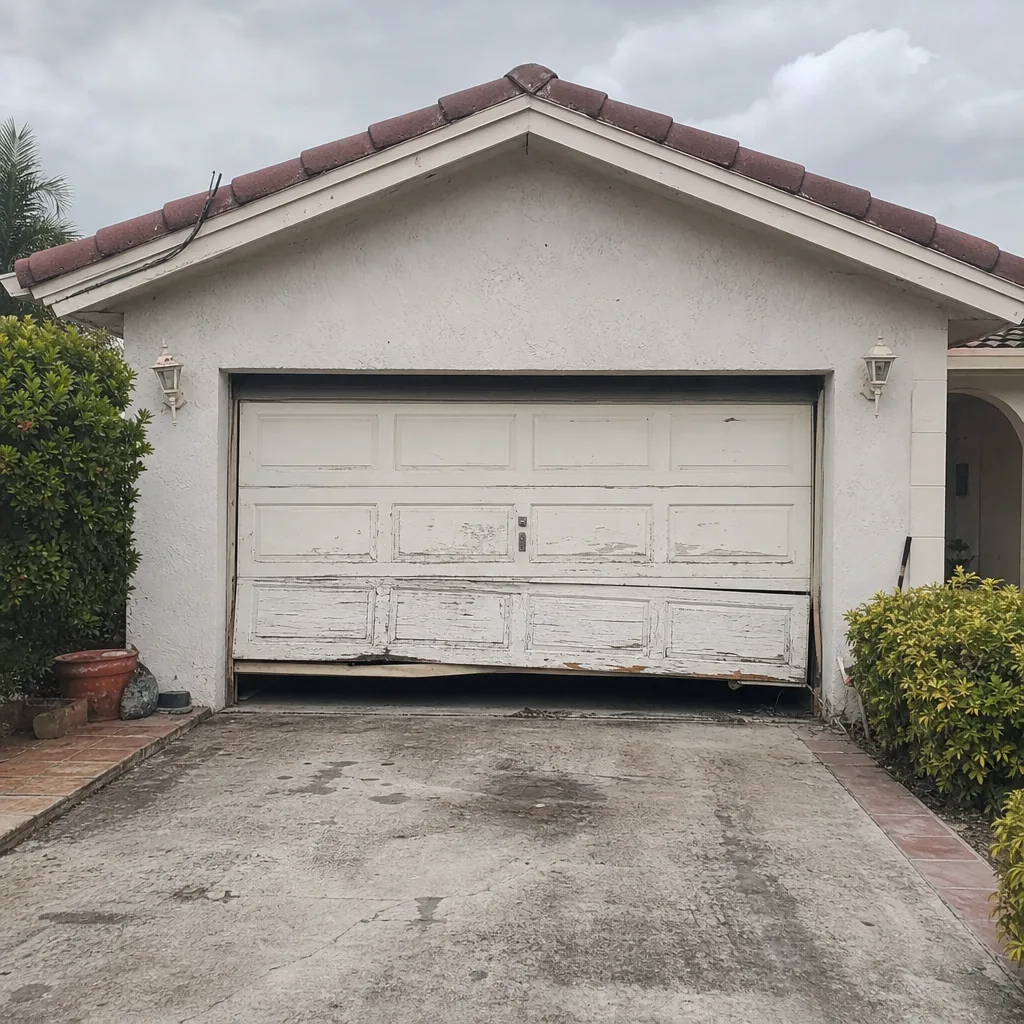 Before
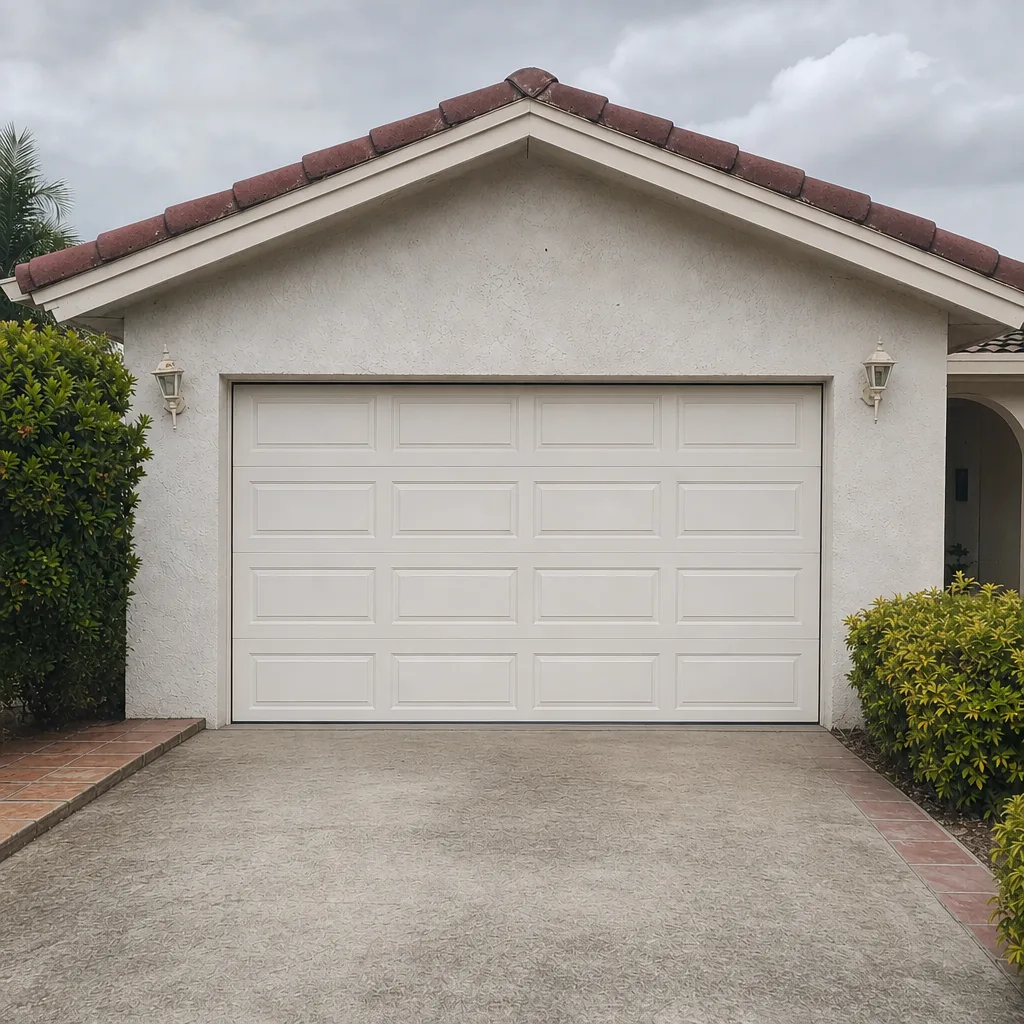 After