Last updated November 21, 2026
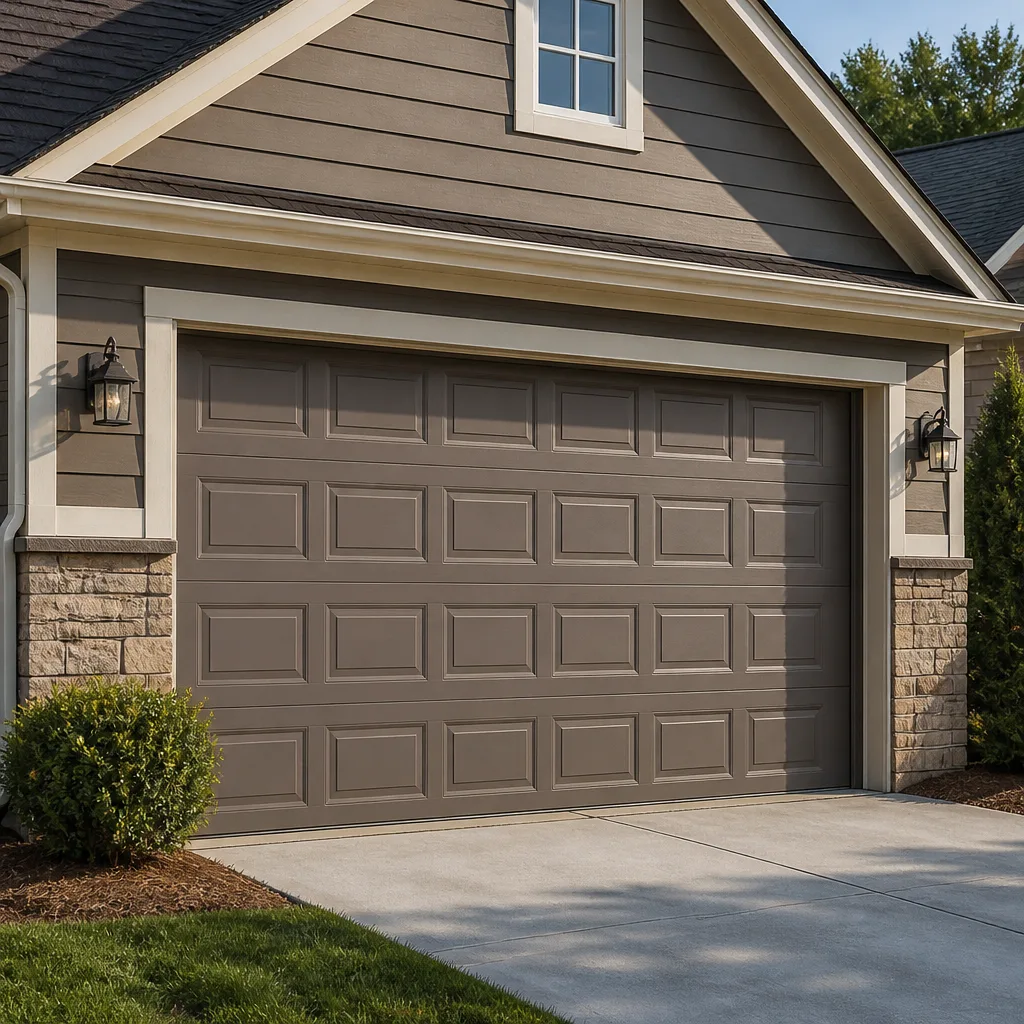 Raised-panel steel
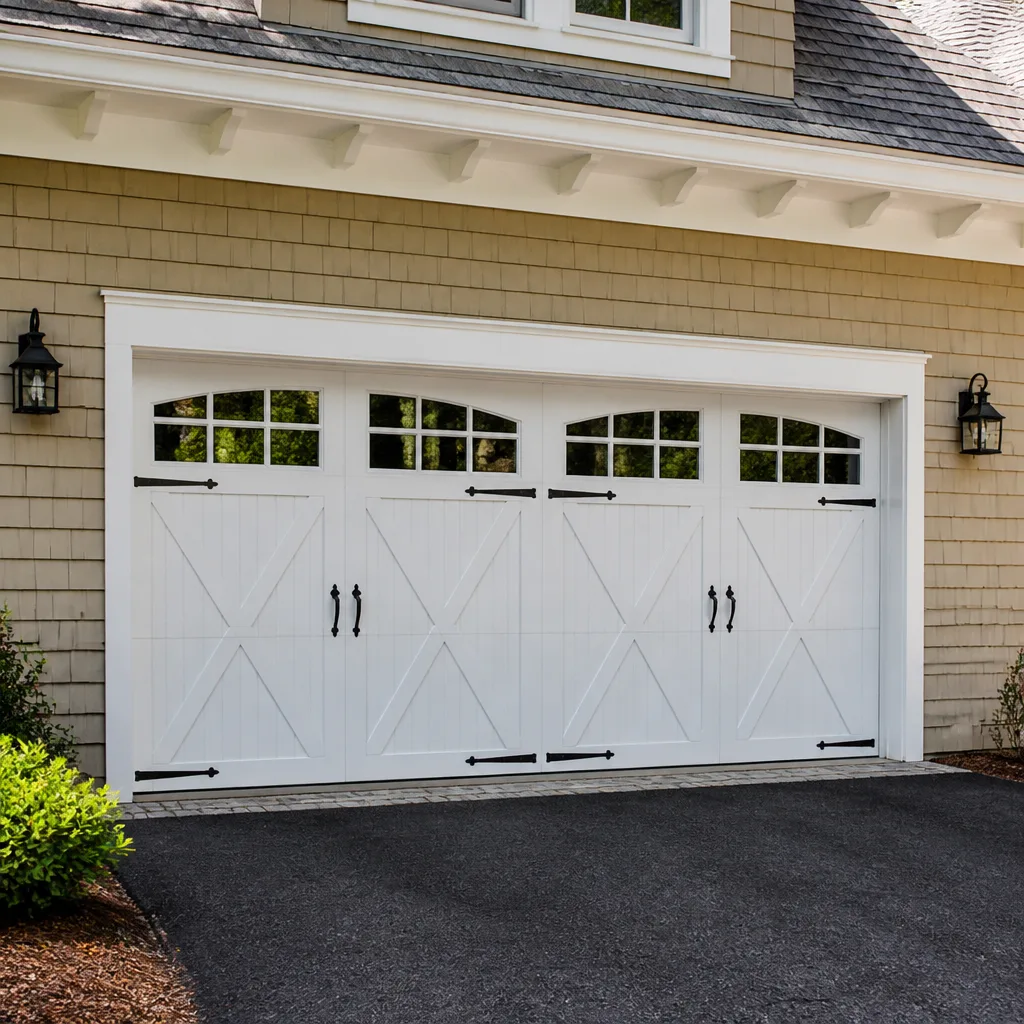 Carriage house
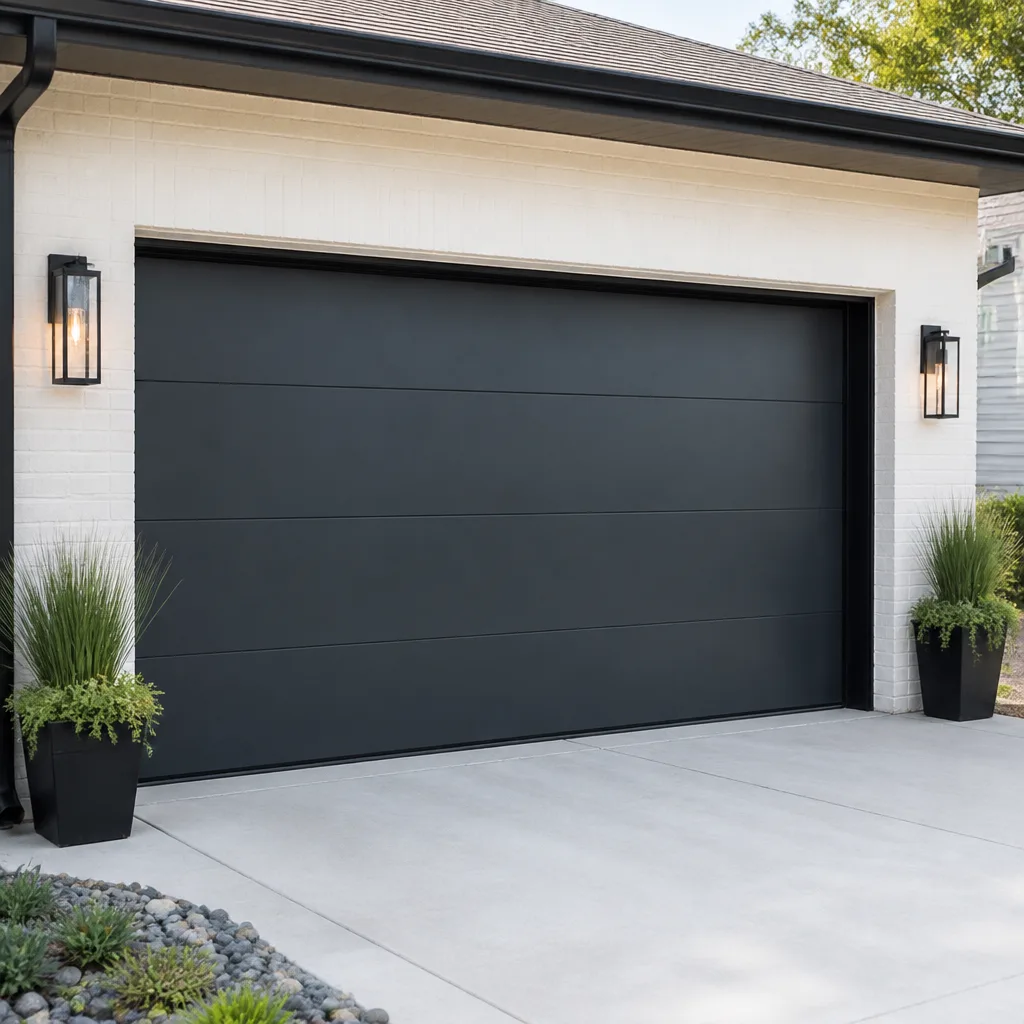 Modern flush
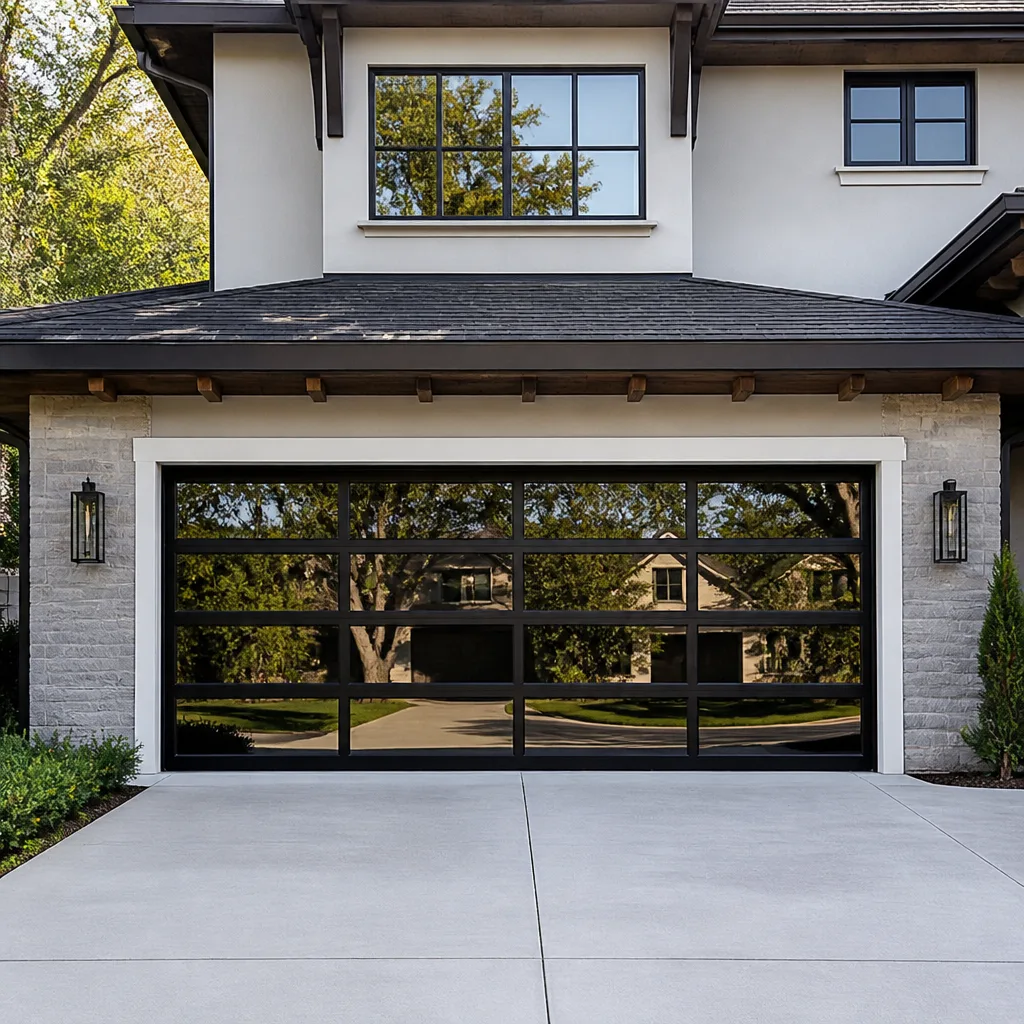 Full-view glass
 LiftMaster openers
 Chamberlain openers
Full 25-point door and opener safety check with every visit - springs, cables, rollers, tracks, and your LiftMaster or Chamberlain opener included
You get a price before we start. It does not change when the pro arrives.
Get your free estimateGarage Door Permits, Codes & Inspections in Hialeah, FL: What You Need to Know
Most homeowners assume a garage door replacement is simple product swapping: pick a door, pay the installer, done. In Hialeah, that assumption is where trouble starts. A garage door here is part of your home’s hurricane envelope, and the permitting process exists to confirm the door you install actually meets the wind-load standards the building code requires for this part of Miami-Dade County. Skip that step and the door still looks fine. The problem surfaces years later – at a title search during a sale, or when an insurer asks for your permit record after a storm claim. This guide walks through which Hialeah projects need a permit, how the county’s product approval system works, what an inspector actually checks, and how to fix an unpermitted installation.
Quick Answer
In Hialeah, replacing a garage door or installing a new one almost always requires a building permit and a final inspection, because the door is treated as a structural opening that must meet Miami-Dade wind-load and product-approval rules. Simple repairs – a snapped spring, a worn roller, an opener that won’t respond – don’t need a permit. If you’re unsure which category your project falls into, call your city’s building department before you buy anything, and ask the installer to confirm the door carries a valid Miami-Dade product approval.
Styles & brands we work with
- Raised-panel steel
- Carriage house
- Modern flush
- Full-view glass
- LiftMaster openers
- Chamberlain openers
Table of Contents
- When a Garage Door Permit Is Required in Hialeah (and When It Isn’t)
- How Miami-Dade’s Notice of Acceptance (NOA) System Works
- What a Hialeah Building Inspector Actually Examines
- How an Unpermitted Door Affects Florida Insurance Claims
- How to Legalize a Previously Unpermitted Garage Door
- The Permit Process in Hialeah, Step by Step
- Choosing an Installer Who Handles the Paperwork
- What the Building Code Means for Your Door’s Wind Rating
When a Garage Door Permit Is Required in Hialeah (and When It Isn’t)
A full garage door replacement in Hialeah requires a permit. So does converting a manual door to an opener-driven one, changing the door type (say, from a solid panel door to a glazed sectional), or widening the opening. The threshold most contractors get wrong is the panel swap: replacing a single damaged section is often exempt, but replacing all sections at once – which is effectively a new door on the original track and header – usually crosses into permit territory, because the door’s labeled wind rating and anchoring are part of what’s being verified. The line isn’t measured in dollars or panels. It’s measured in whether the assembly’s approved rating and attachment are unchanged.
Repairs are a different category. Spring replacement, cable replacement, roller and hinge swaps, track realignment, and opener repairs or replacements don’t change the door’s structural envelope, so they generally don’t trigger a permit. If you’re replacing an opener, confirm with your city’s building department whether a permit is expected for the electrical connection, since requirements vary by jurisdiction.
Here’s the breakdown we give homeowners who ask:
- Permit typically required: full door replacement, new door installation on a new opening, changing size or type, replacing all panels plus the track assembly.
- Permit typically not required: one-panel repair, spring or cable replacement, roller and hinge replacement, opener motor swap on existing wiring, track adjustment.
- Grey area – ask first: adding an opener to a manual door, replacing the door and reusing the original track, swapping to a door with a different wind rating.
Because much of Hialeah’s housing is older construction, we regularly see doors that were replaced years ago without paperwork. That history matters when the current owner tries to sell. Our garage door repair work is often the first time anyone looks closely at the anchoring and labeling on those doors, and it’s where we catch a lot of missing permits.
How Miami-Dade’s Notice of Acceptance (NOA) System Works
A Notice of Acceptance, or NOA, is Miami-Dade County’s product approval document. Every impact-rated garage door and door assembly installed in the county must have one that covers its specific design pressure and installation method. The NOA is issued by the county’s product control division after the product passes testing, and it names the manufacturer, the product line, the approved anchors, and the wind pressures the product is rated to withstand. Without a valid NOA for your exact door and your exact installation, a Hialeah inspector has no basis to approve the work.
This is why buying a hurricane-rated door online or from a big-box store can backfire. The product may be rated, but the NOA has to match the model, the panel configuration, and the way the anchors are specified. A door rated for one anchor pattern installed with a different one is not the approved system, even if the physical door is identical. Manufacturers like Clopay and Amarr publish their NOA numbers and installation requirements, and a competent installer will hand you the documentation before you sign.
How to verify a door product before you buy:
- Ask the installer or supplier for the NOA number for the exact model, size, and wind-pressure rating you’re considering.
- Look up that number in Miami-Dade County’s product control database online to confirm the product is currently approved and not expired.
- Check that the NOA covers the installation method specified for your home – anchor type, spacing, and substrate.
- Confirm the design pressure matches or exceeds what’s required for your address.
- Keep a copy of the NOA with your permit documents and your home records.
If a supplier can’t produce a current NOA number, that’s your answer. Move on. Our garage door spring repair work doesn’t involve NOA paperwork, but we field plenty of questions from homeowners who discover their replacement door has no approval on file only after something else goes wrong.
What a Hialeah Building Inspector Actually Examines
The inspection is not a cosmetic review. The inspector is verifying that the installed assembly matches the approved product and that it’s attached the way the NOA specifies. Think of it as a matching exercise between paperwork, labels, and physical installation. In our experience, doors fail inspection for the same handful of reasons: an anchor pattern that doesn’t match the approval, a missing or obscured product label, or documentation that was never submitted with the permit application.
What the inspector typically looks at:
- Product label or plate: The door must carry the manufacturer’s label identifying the model and its approval, and the label must be readable and match the NOA.
- Anchor type and spacing: Bolts, brackets, and spacers must match what the NOA calls for, including how they’re embedded in the wall or header.
- Track and header attachment: The track, jamb brackets, and header brackets must be secure and consistent with the approved installation detail.
- Clearances and operation: The door should open and close fully, the opener’s safety reverse should function, and nothing should interfere with the travel.
- Permit and NOA on site: The inspector wants the approved plans and product documentation available for review.
- Glazing and reinforcement: On impact doors, the glazing system and any reinforcement bars or struts must be as specified.
One practical note for Hialeah homeowners: the inspector is checking the installation as it exists, so any later modification – a replaced panel, an added strut, a different opener – should be documented. If you change the door after final inspection without updating the approval, you’ve quietly created a mismatch. If you need repairs that don’t cross the permit line, our garage door opener repair team can sort out the mechanical side while you handle the documentation.
How an Unpermitted Door Affects Florida Insurance Claims
An unpermitted garage door installation creates a documentation gap, and in a named-storm claim that gap can become a coverage problem. Insurers covering Florida homes commonly ask for proof that the openings were installed to code and with approved products. If a door was replaced without a permit or without a valid NOA, the insurer may treat it as an unverified improvement, contest the damage assessment, or reduce what it pays for that part of the structure. Nobody can promise you a specific outcome on a claim – that’s between you and your carrier – but a clean permit record removes one very common reason for pushback.
This matters more in Hialeah than in many places because the garage door is the largest opening on most homes. It’s also the opening most likely to be damaged by wind-driven debris or pressure changes. When an adjuster looks at a claim, they’re trying to confirm the opening was built to the standard the policy assumes. A permit and a matching final inspection make that easy.
Homeowners and landlords should keep three documents together:
- The building permit and the final inspection sign-off.
- The NOA for the installed door and its anchors.
- The installer’s written scope, including the door model and wind rating.
Property managers in Hialeah should treat this file as part of every tenant turnover where a door was replaced. If a prior installation is undocumented, the fix is a legalization process, covered next.
How to Legalize a Previously Unpermitted Garage Door
You can legalize a garage door that was installed without a permit, and it usually starts with a call to Hialeah’s building department to find out how they want to handle a retroactive application. The process generally means filing for the permit after the fact, submitting the product approval and installation details, and scheduling an inspection so the door on your house can be verified against the documentation. If the door itself has no valid NOA, or can’t be verified, you may be looking at replacing it with an approved product rather than simply papering over the old one.
What legalization usually involves:
- Call the city first. Explain that a door was installed without a permit and ask what documentation they want and whether they’ll accept a retroactive permit.
- Identify the door. Find the manufacturer label and model number; if it’s gone, that’s a real obstacle and may mean replacing the door.
- Pull the NOA. Confirm the door and its anchor system are currently approved and match what’s installed.
- File the application. Submit the permit with the NOA, installation details, and any engineering the city requests.
- Schedule the inspection. The inspector will verify the installation against the approved details, and you may need to correct anchors, brackets, or reinforcement.
Timelines vary widely with the city’s workload and how complete your paperwork is, so we don’t quote a fixed number of days. Costs depend on permit fees, any required corrections, and whether the door can be documented or has to be replaced. If the door fails and needs replacement anyway, a new installation with the permit filed up front is usually the cleaner path. Our Hialeah Garage Door Repair Co team regularly works alongside property managers on these cleanups, and we can tell you early whether your door looks documentable.
The Permit Process in Hialeah, Step by Step
The smooth permit path is almost always the one where the paperwork is prepared before the door is ordered. The sequence below is the version that avoids re-inspection fees and delays. If you’re installing a new hurricane-rated door, this is where the process starts, and it’s why we treat a full replacement as a scheduled project rather than a same-day job.
- Confirm your door selection. Choose a model and size, then get the NOA number and the design pressure rating that applies to your home.
- Verify the NOA is current. Look it up in Miami-Dade’s product control database and check the expiration and the anchor specifications.
- Prepare the permit application. Include the product approval, installation instructions, and any site-specific details the city requests. This is the step that decides how fast the rest goes.
- Submit to the City of Hialeah building department. Ask about review time and inspection scheduling when you file, and expect a review period before work can begin.
- Have the door installed to the approved detail. Anchors, brackets, track, and label all have to match the documentation.
- Call for the inspection. Have the permit, NOA, and plans on site, and make sure the door is fully operable for the inspector.
- Get the final sign-off and file it. Keep the signed inspection with your home records and send a copy to your insurer if they ask.
For a replacement door in Hialeah, expect the whole sequence to be measured in weeks rather than hours, because the product has to be ordered and the permit reviewed. That’s normal, and it’s a good reason to plan a replacement well before storm season rather than after a door fails.
Choosing an Installer Who Handles the Paperwork
The best test of an installer isn’t the price on the quote – it’s whether they can tell you the NOA number for the door they’re proposing. A garage door in Hialeah is a code-governed product, and an installer who treats the permit as an afterthought is setting you up for an inspection failure or a documentation gap. We work across the major brands because different homes and different budgets call for different products: Clopay for its broad residential line, Amarr for its impact-rated options, Chamberlain for the opener side, and Genie for legacy systems. The brand matters less than whether the specific product and its approved installation match your address.
Questions worth asking before you sign:
- What is the NOA number, and can you show me it’s current?
- Who pulls the permit, and who pays for re-inspection if the first one fails?
- What is the door’s design pressure rating for my address?
- Will the install match the anchor pattern in the approval, and can I see the detail before work begins?
- What’s included in the written price, and what could change it?
Whether you need a new door, an opener that’s failing, or a spring that just went, the goal is the same: the work has to be right the first time, and the paper trail has to match the work. Our technicians have up to 13 years of experience, which means we’ve seen how these installations pass or fail, and we’d rather answer the NOA question now than explain a failed inspection later.
What the Building Code Means for Your Door’s Wind Rating
Miami-Dade County’s building code treats garage doors as wind-borne debris regions openings, which is why the impact rating and the NOA are tied together so tightly. The design pressure a door has to meet depends on where the home sits, its exposure, and its height, so two houses on the same block can require different ratings. That’s the detail that makes a generic “impact door” purchase risky: a door that’s right for one Hialeah property can be out of compliance a short distance away.
For homeowners, the practical takeaways are simple. The rating on the door has to match the rating your permit calls for. The installation detail in the NOA has to match how the door is actually anchored. And the final inspection is what ties those two facts together in a record you can rely on. We’ve seen plenty of doors that were rated correctly but installed with the wrong anchors, and the fix is usually not the door – it’s the attachment.
If you’re unsure what your home requires, ask the city’s building department before you shop. Bring the address and the opening size. That one call saves buyers from ordering a door that can’t be approved.
Common Mistakes to Avoid
- Buying the door before checking the NOA. Homeowners often pick a door on looks or price, then find the model has no current approval or an anchor pattern that doesn’t fit the home. Verify the product first.
- Assuming a full panel swap is exempt. Replacing one section is usually fine, but replacing all panels plus the track is effectively a new door and generally needs a permit. Contractors who tell you otherwise are guessing.
- Letting the installer skip the final inspection. A permit with no final sign-off is not a closed file. Insurers and title companies will ask for the inspection, not just the permit.
- Chasing a lowest quote from an unlicensed installer. In Hialeah, an installer who won’t put the door’s NOA number in writing is telling you something about how the job will go.
- Modifying an inspected door later. Swapping a panel, adding a strut, or changing the opener after sign-off can create a mismatch with the approval. Document any change.
- Ignoring an unpermitted door at purchase. Buyers regularly inherit doors that were replaced without paperwork. That history comes out at closing.
- Treating the garage door as a cosmetic choice. It’s part of your home’s storm envelope. The rating and installation details are functional, not decorative.
See the difference
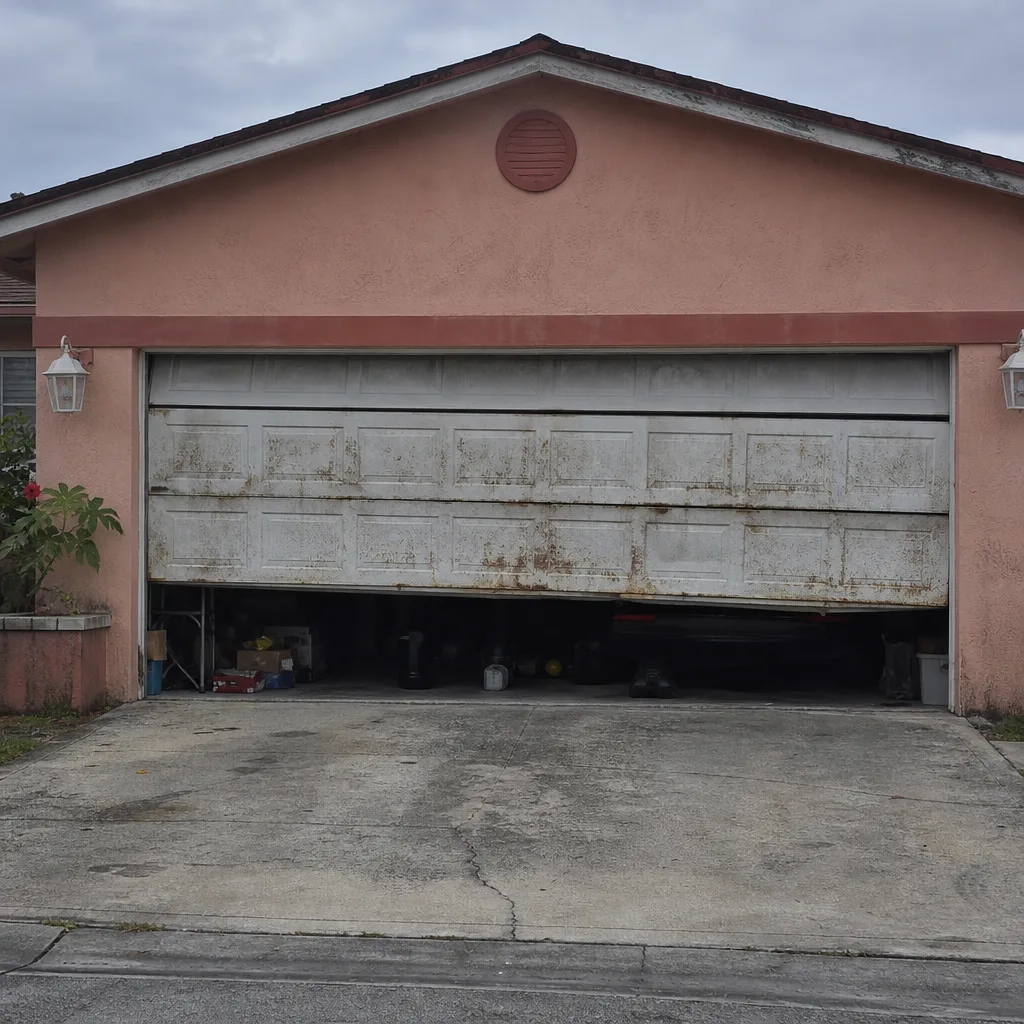 Before
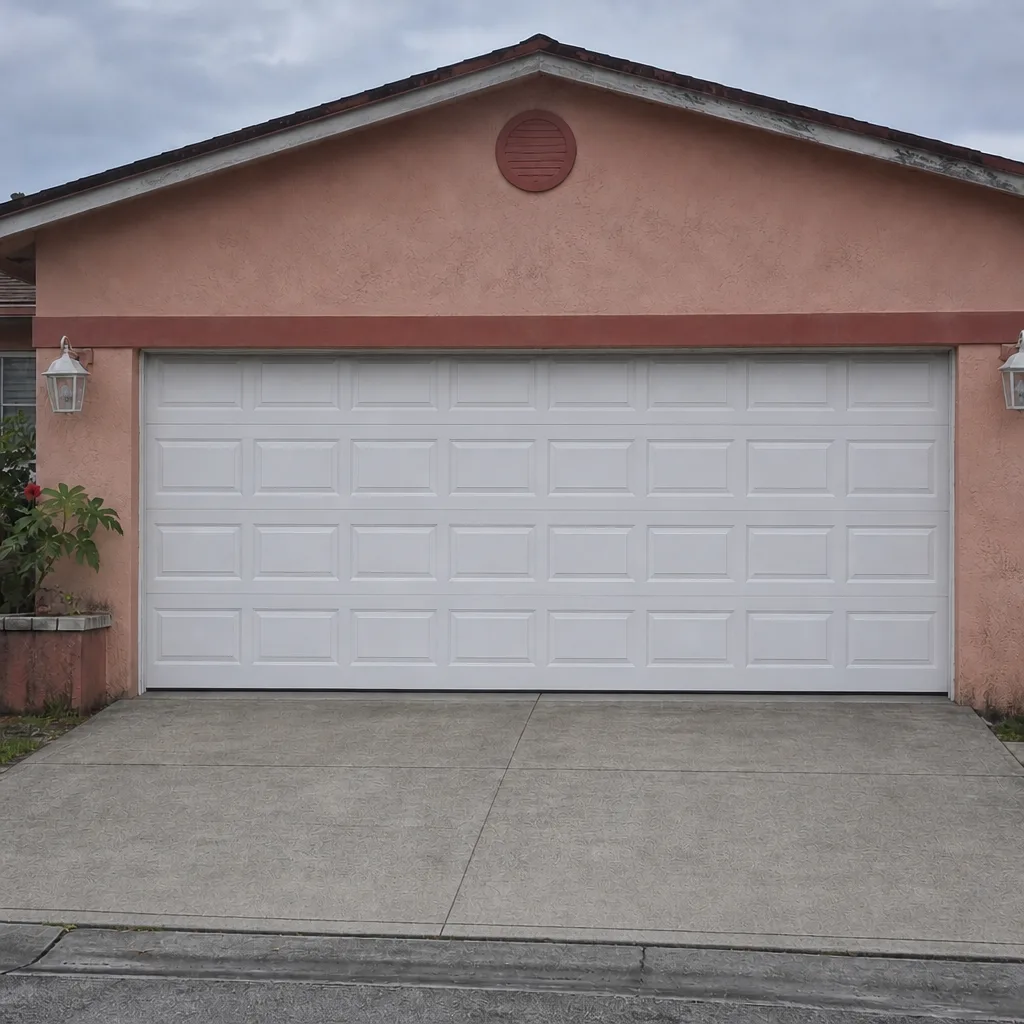 After
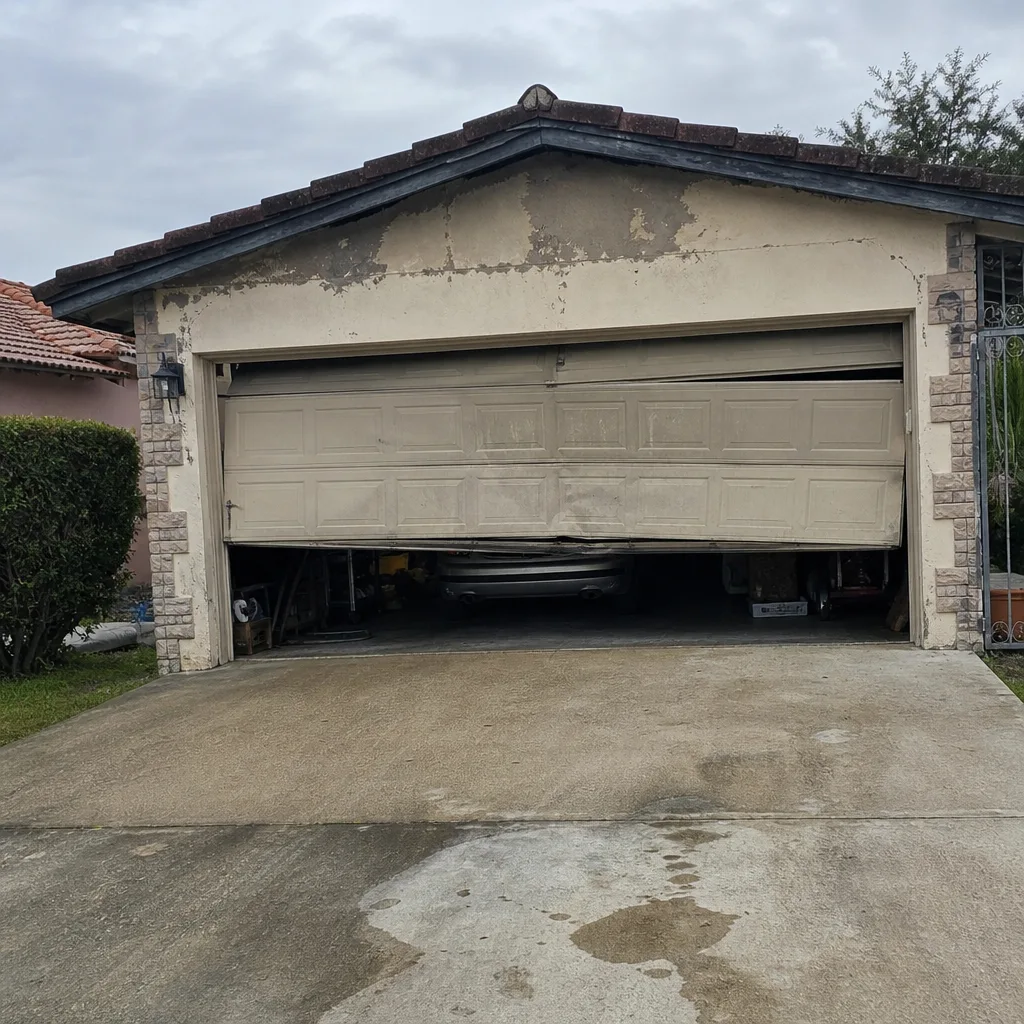 Before
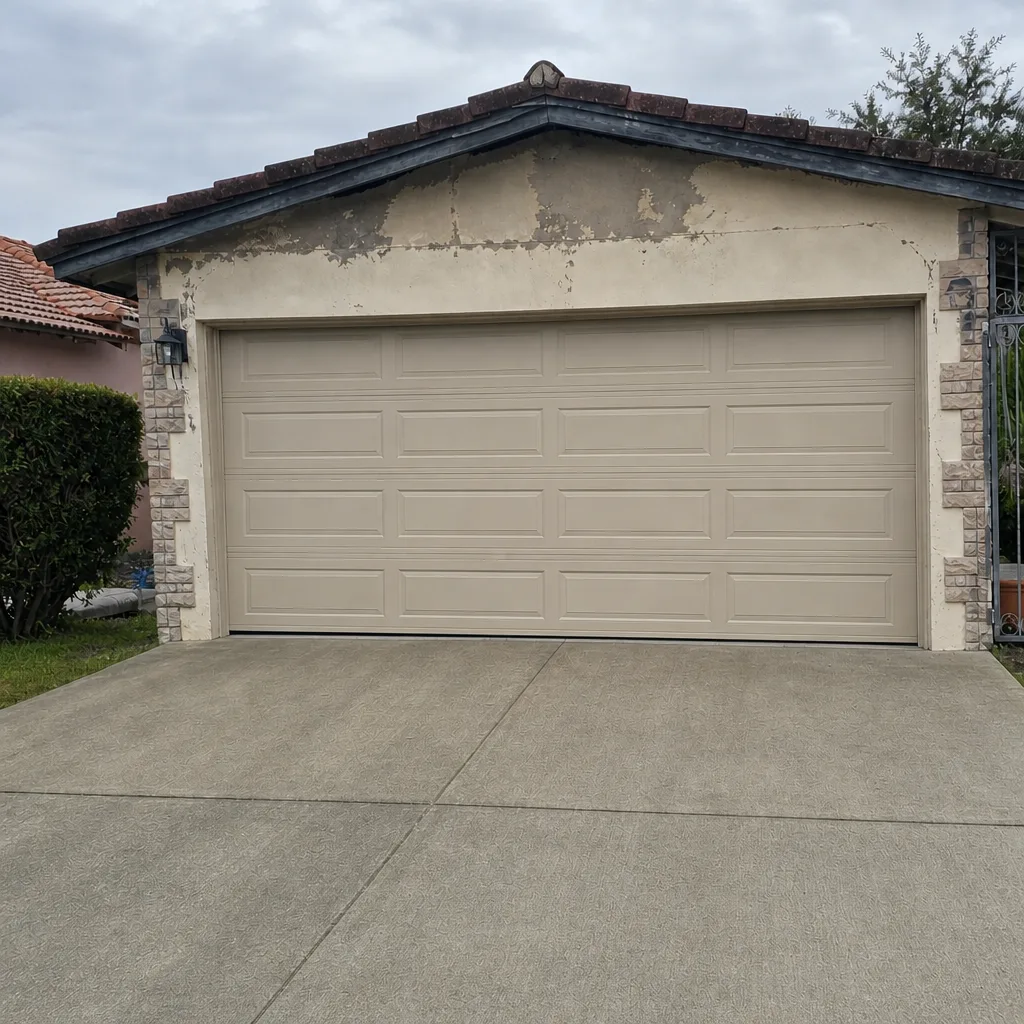 After
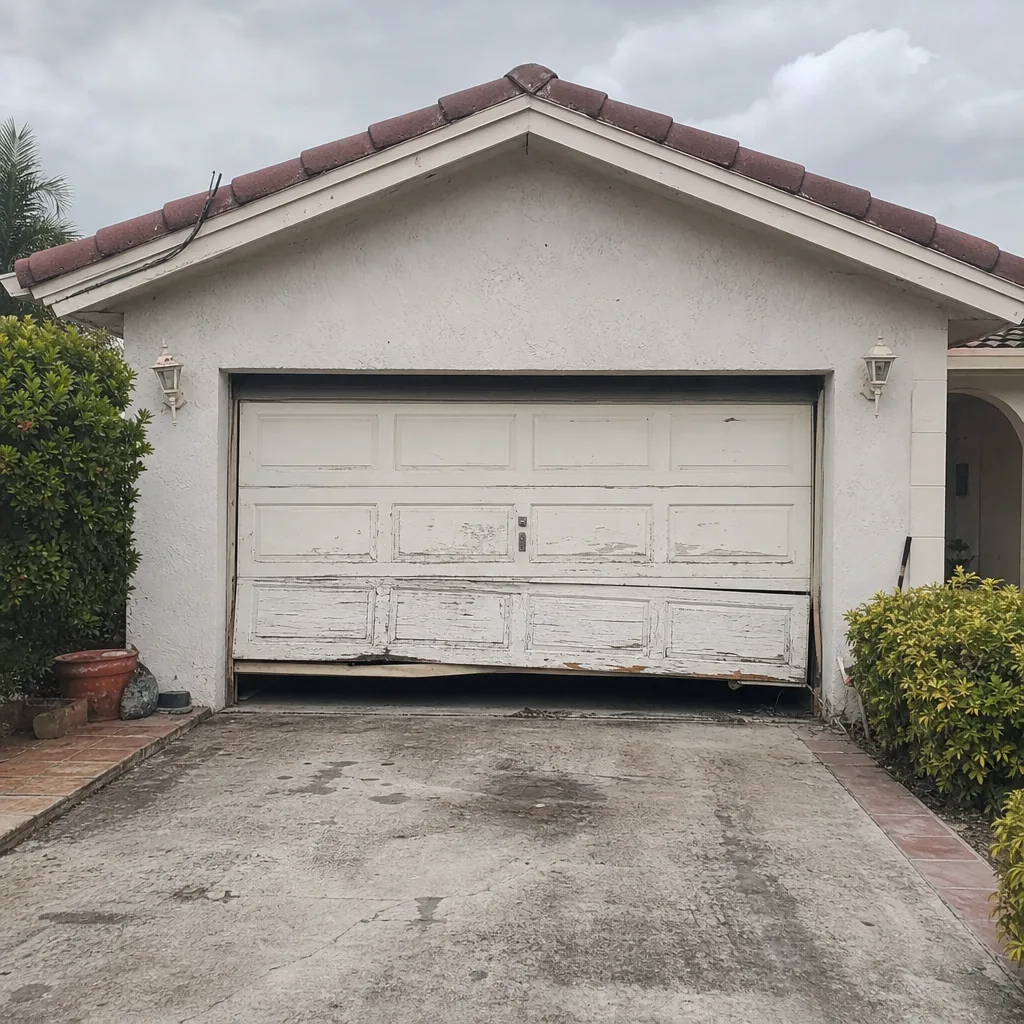 Before
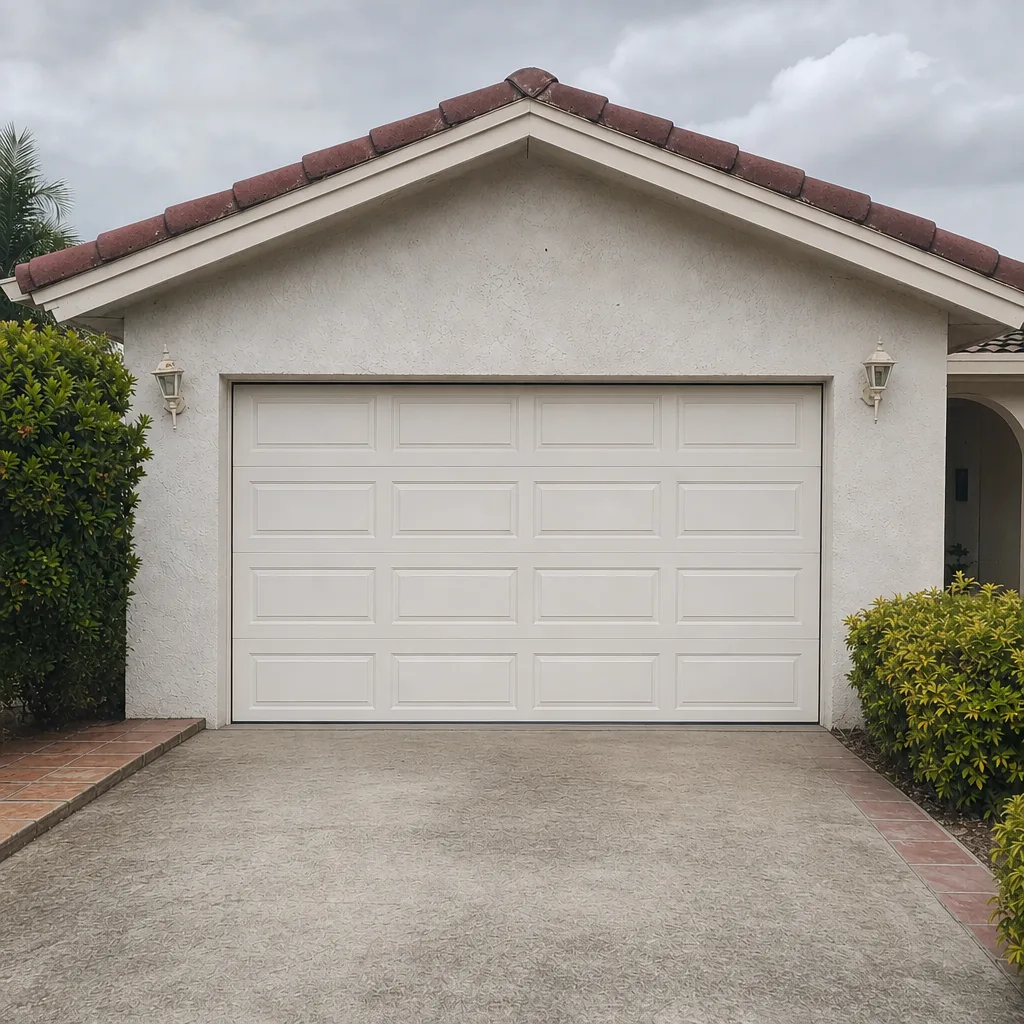 After
When to Call a Professional
Some jobs are genuinely simple – a bent hinge, a roller that’s worn flat, an opener remote that needs re-pairing. Others are not. Call a professional for anything involving the springs, cables, or the door’s structural attachment; a spring failure can release stored energy with enough force to cause serious injury, and the panel, anchor, and opener work should be handled by someone with the right tools and training. If your door won’t close and it’s exposed to the street, that’s an emergency service call rather than a weekend project. Hialeah Garage Door Repair Co offers free estimates in Hialeah – call (833) 309-5115, and we’ll tell you whether your job needs a permit or just a repair. Every price is quoted and agreed before any work starts, so you’ll know the cost before anyone touches the door.
Frequently Asked Questions
Yes, a full garage door replacement in Hialeah generally requires a building permit and a final inspection, because the door must carry a valid Miami-Dade Notice of Acceptance and be installed to its approved detail. Simple repairs like springs, rollers, and opener fixes don’t need a permit. Call (833) 309-5115 for a free estimate and we’ll confirm which category your project falls into.
The cost depends on permit fees, whether the existing door can be documented with a valid NOA, and whether corrections or replacement are needed, so we don’t quote a fixed figure. The cheapest path is always the one where the door turns out to be documentable. Call (833) 309-5115 for a free estimate before you file anything.
A Notice of Acceptance (NOA) is Miami-Dade County’s product approval document, and it confirms that a specific garage door and its installation method meet the county’s wind-load standards. Without one that matches your exact door, size, and anchor pattern, the installation can’t be approved. Call (833) 309-5115 and we’ll help you verify the NOA before you buy.
It can. An unpermitted installation leaves a documentation gap, and insurers covering Florida homes commonly ask for proof that openings were installed to code with approved products, so a claim on that door may face pushback. A clean permit record removes one common reason for trouble. Call (833) 309-5115 for a free estimate on bringing the door into compliance.
The process is measured in weeks, not hours, because the product has to be ordered and the city has to review the application before work starts. Timelines vary with the building department’s workload and how complete your paperwork is. Call (833) 309-5115 and we’ll walk you through the sequence before you commit.
Usually, yes. A noisy or slow door is normally a roller, hinge, track alignment, or opener issue, and those repairs don’t change the door’s structural envelope or its approved rating. Call (833) 309-5115 for a free estimate and we’ll diagnose the cause and confirm whether any part of the job crosses the permit line.
The Bottom Line
In Hialeah, the garage door permit is the document that proves your door is hurricane-rated, correctly installed, and insurable. Full replacements need one; spring, roller, and opener repairs generally don’t; and any installer who can’t produce a current NOA number is a risk you don’t need. If you’ve inherited an unpermitted door, legalization is doable – call the city, gather the product details, and file. Keep the permit, the inspection, and the NOA together as your door’s paper trail. And plan replacements ahead of storm season rather than after a failure. The door itself is the easy part; the documentation is what protects you.
Ready to get your Hialeah garage door done right, with the paperwork in order? Call (833) 309-5115 for a free estimate. We’ll confirm whether your job needs a permit, quote the price before any work starts, and make sure the door on your home passes inspection the first time.
Written by the team at Hialeah Garage Door Repair Co.